Winnie Chang
MFA in Graphic Design - 3 Yr Path — Graduate Graphic DesignThe Institute for Art and Olfation
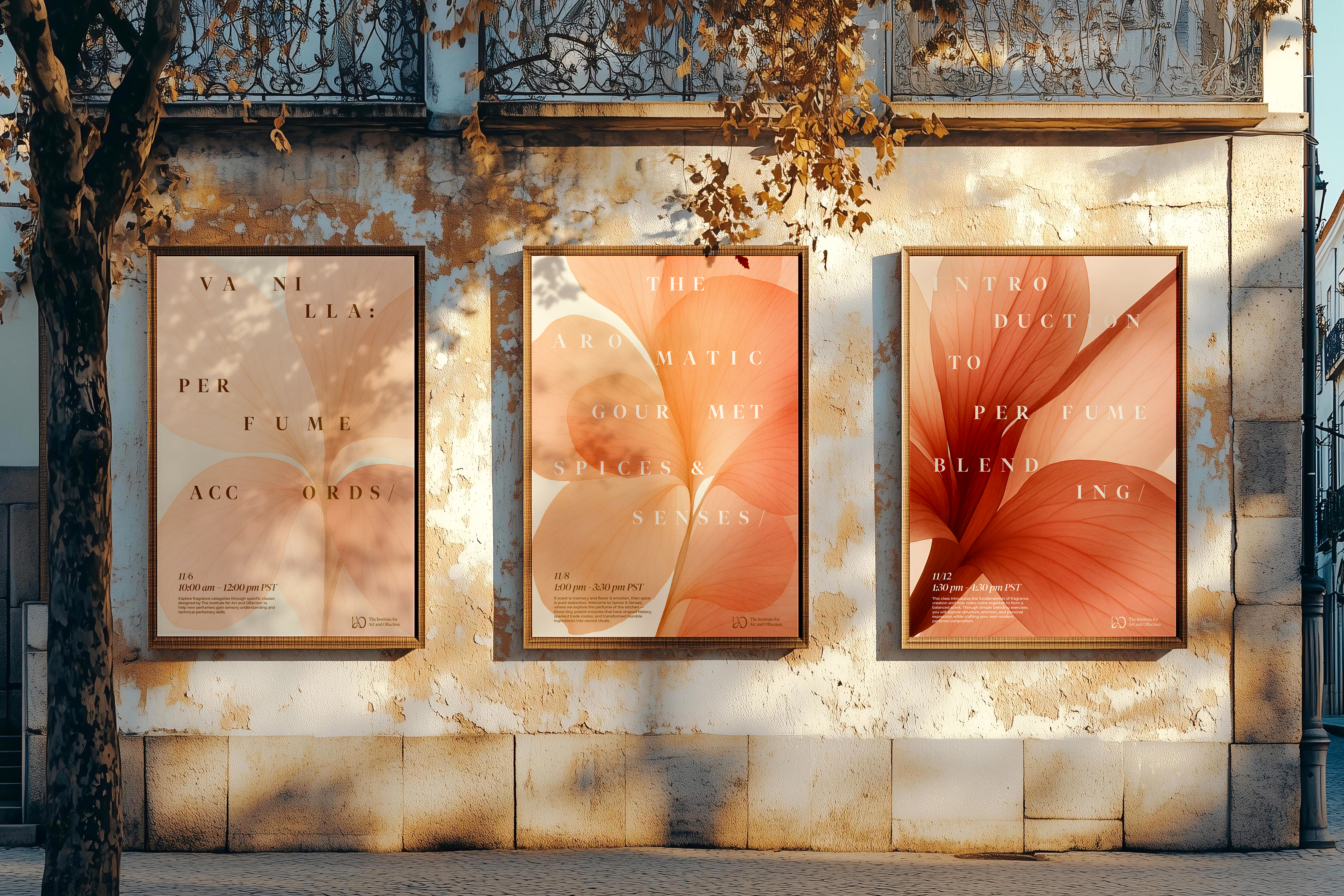
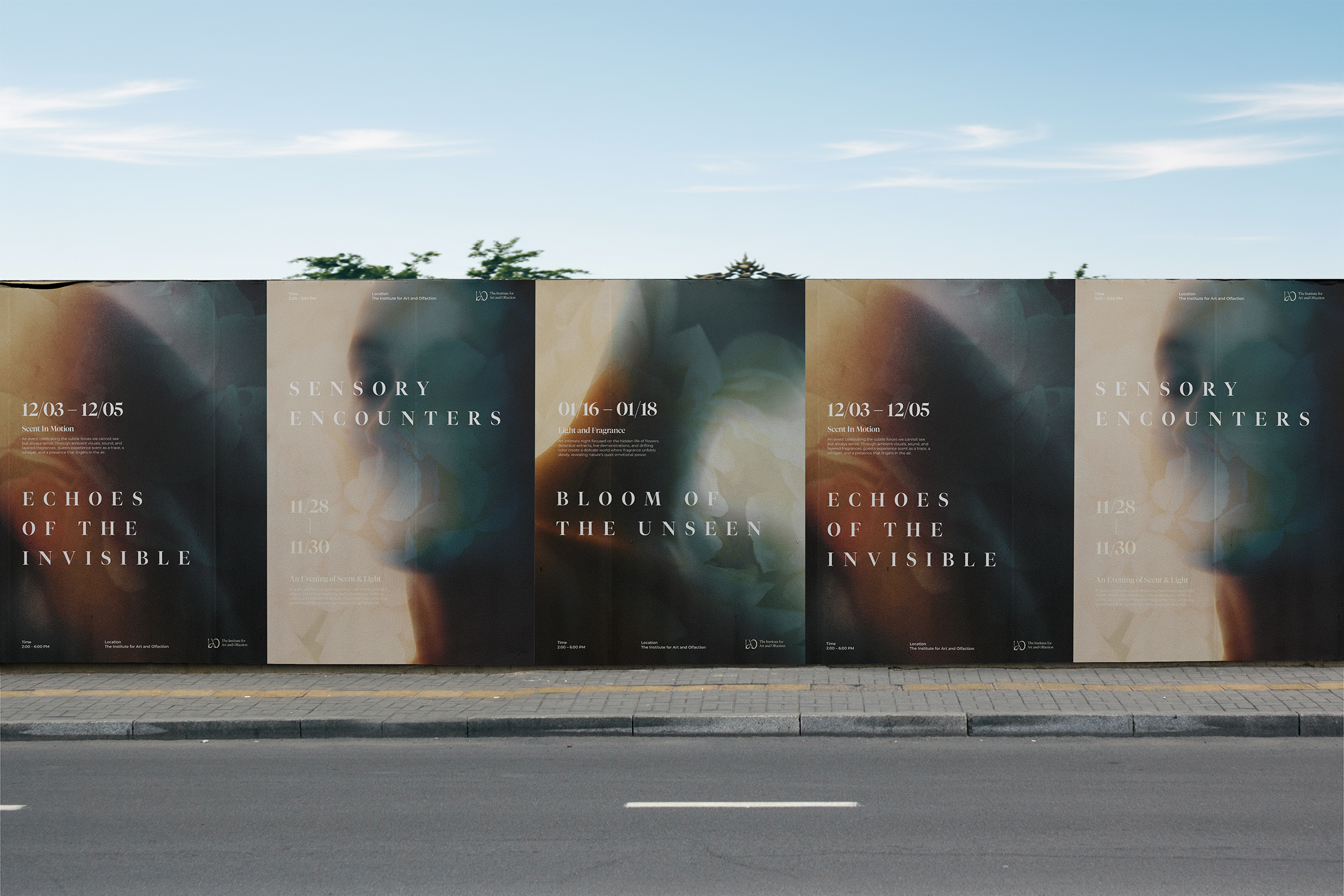
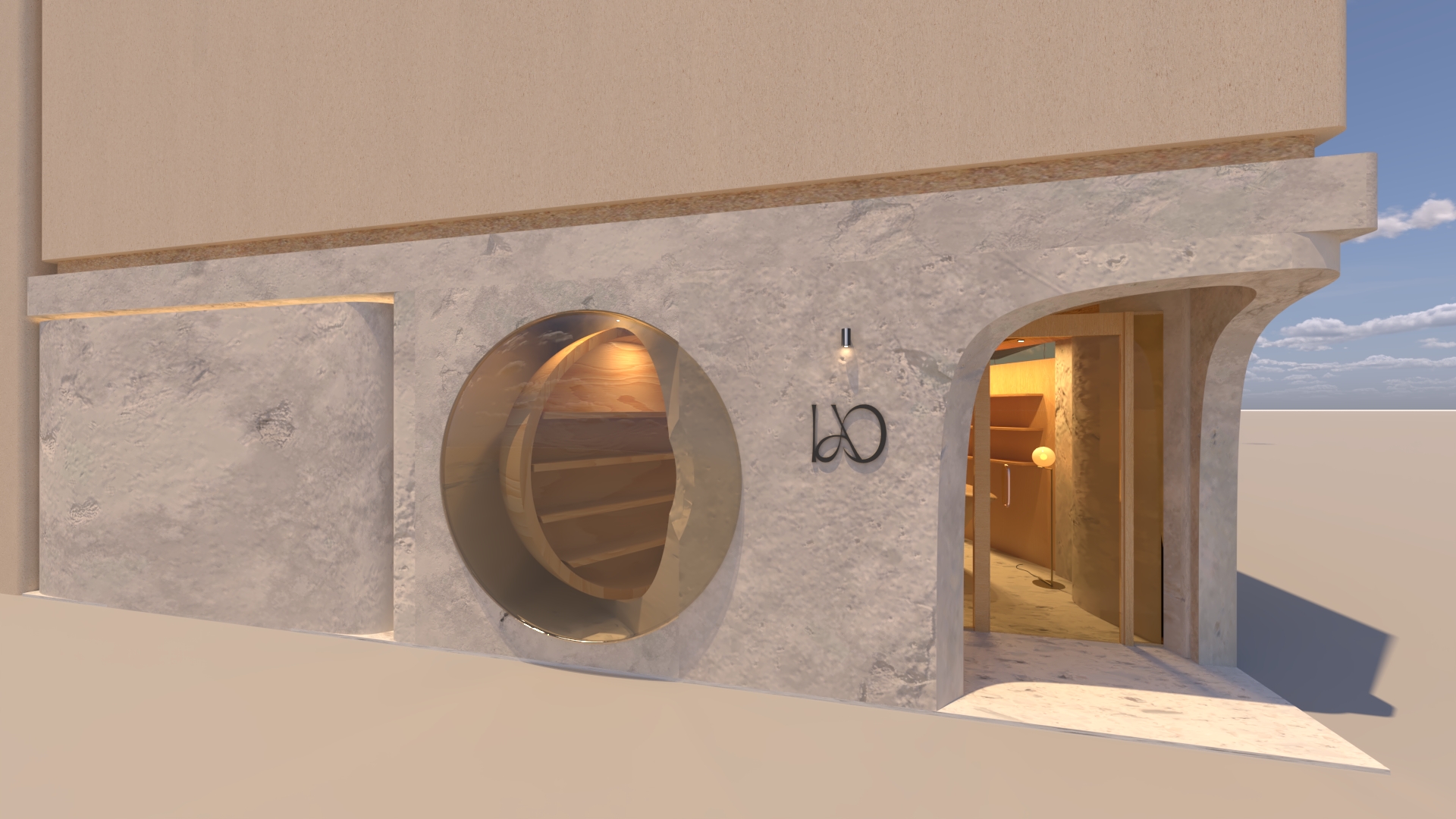
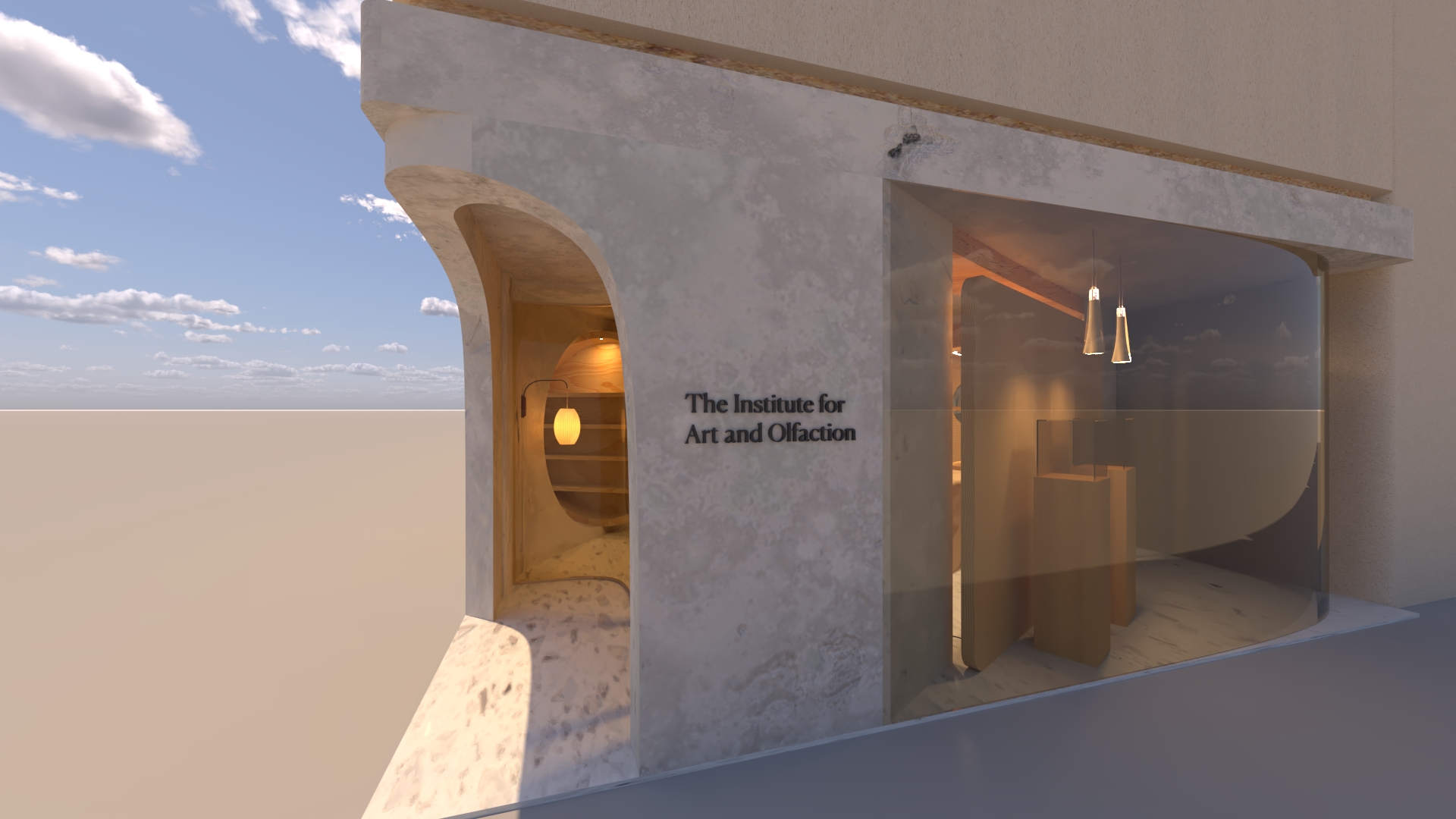
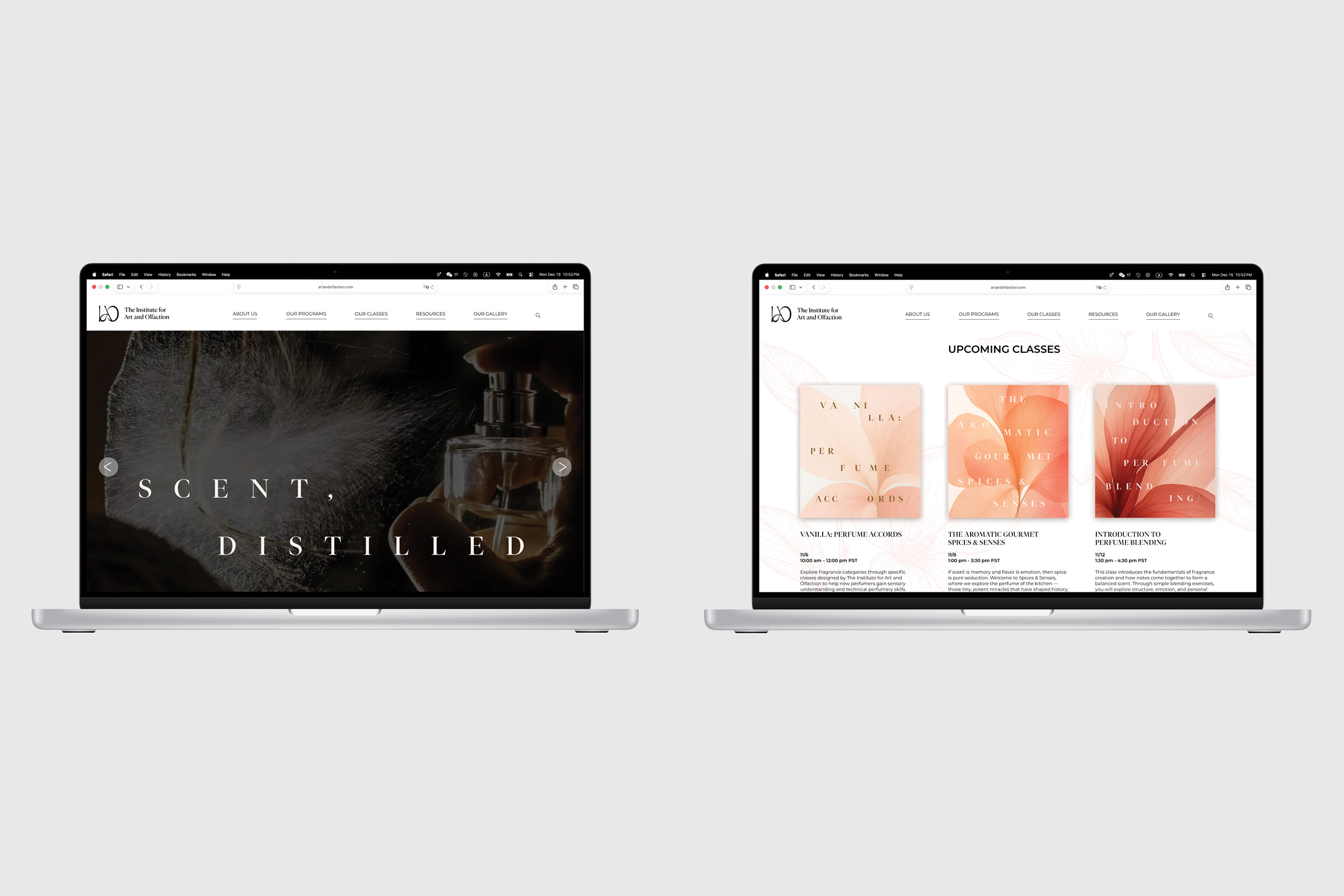
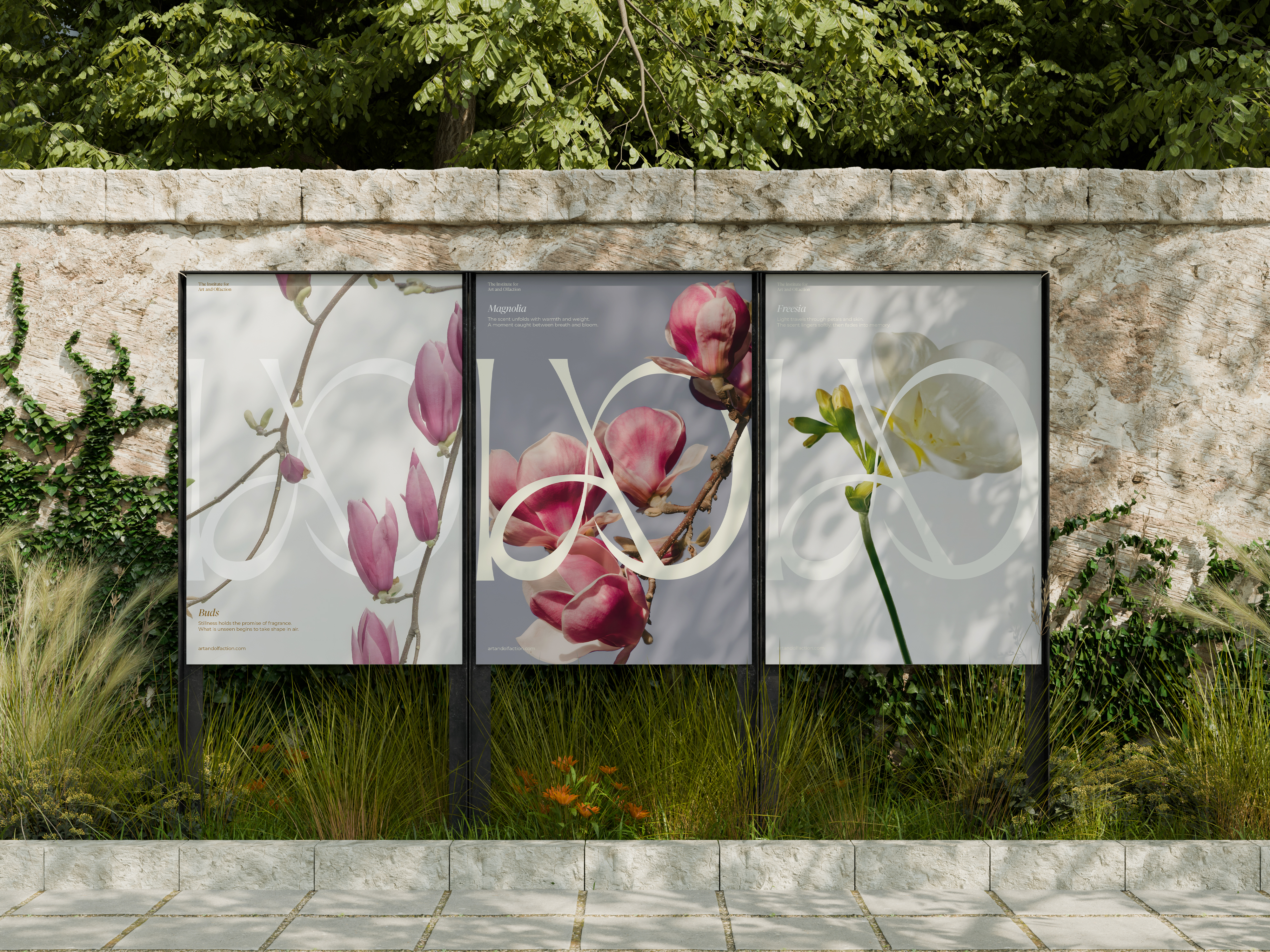
The rebrand for the Institute for Art and Olfaction centers on the sensory poetry of scent. By pairing delicate floral photography with a sculptural monogram and refined typography, the system creates a quiet, immersive atmosphere that mirrors the way fragrance unfolds in layers. The visual identity is designed to feel intimate, elegant, and ephemeral, capturing the institute’s commitment to elevating scent as a creative and expressive art form and celebrating the emotional worlds that fragrance can evoke.
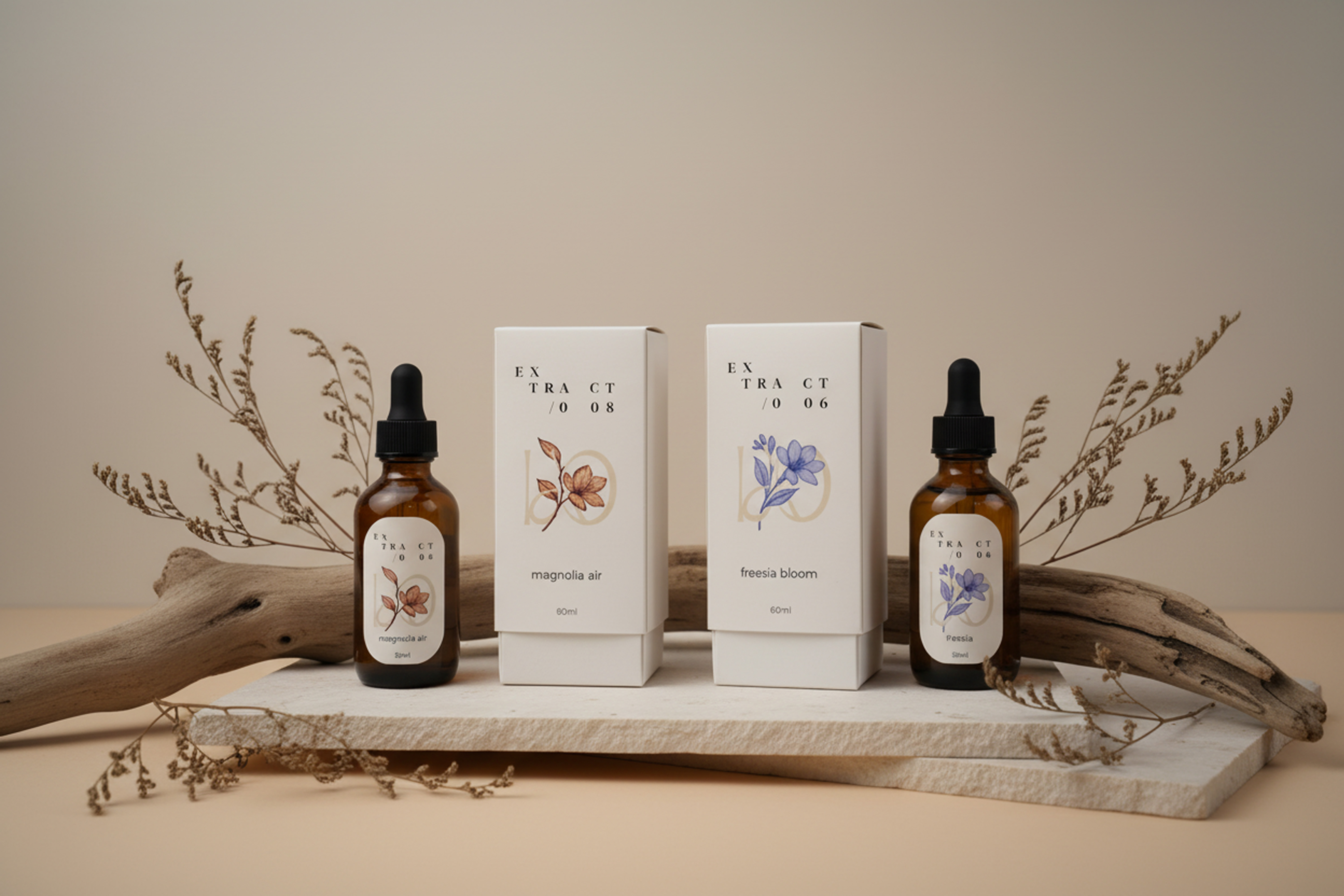
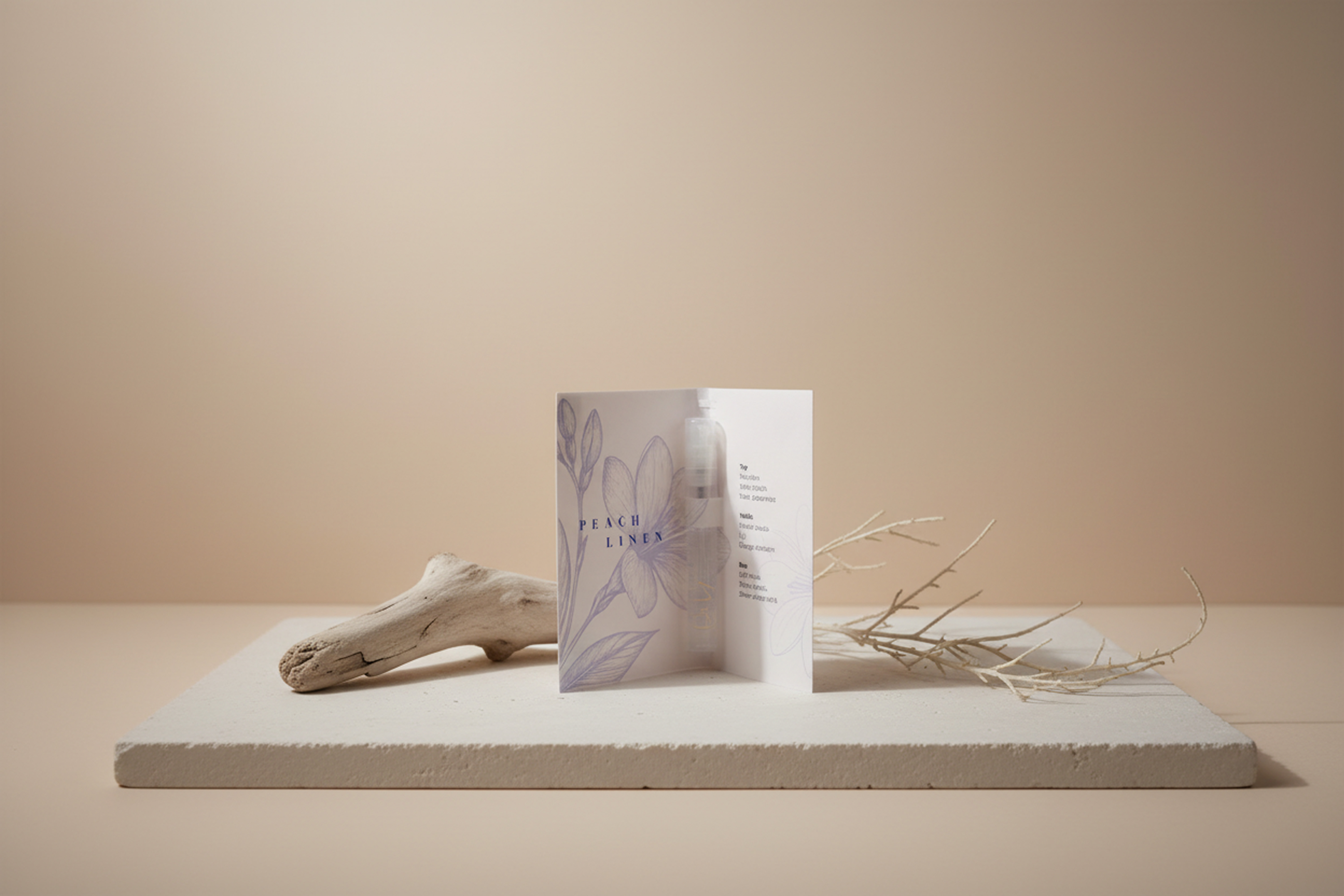
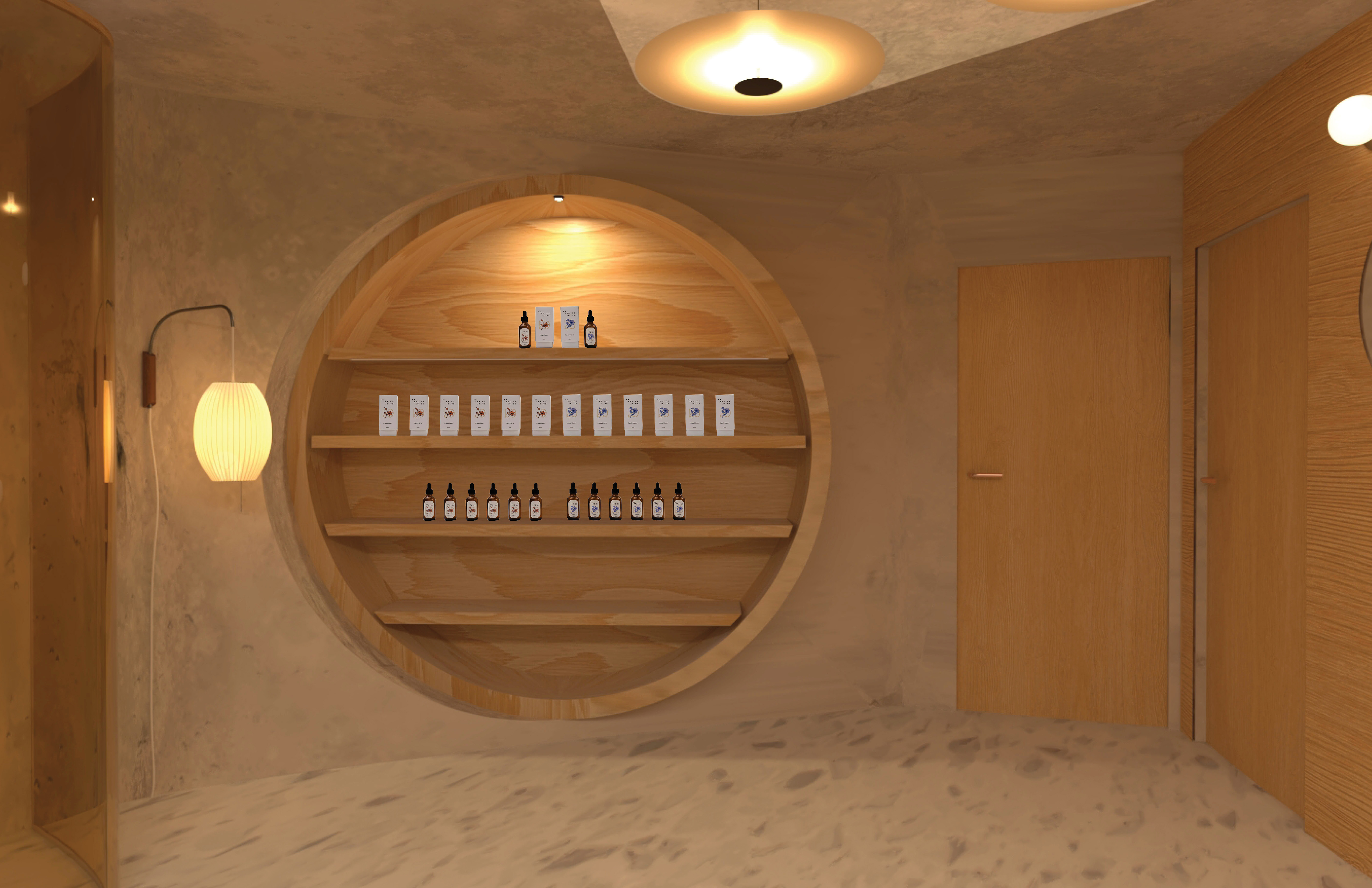
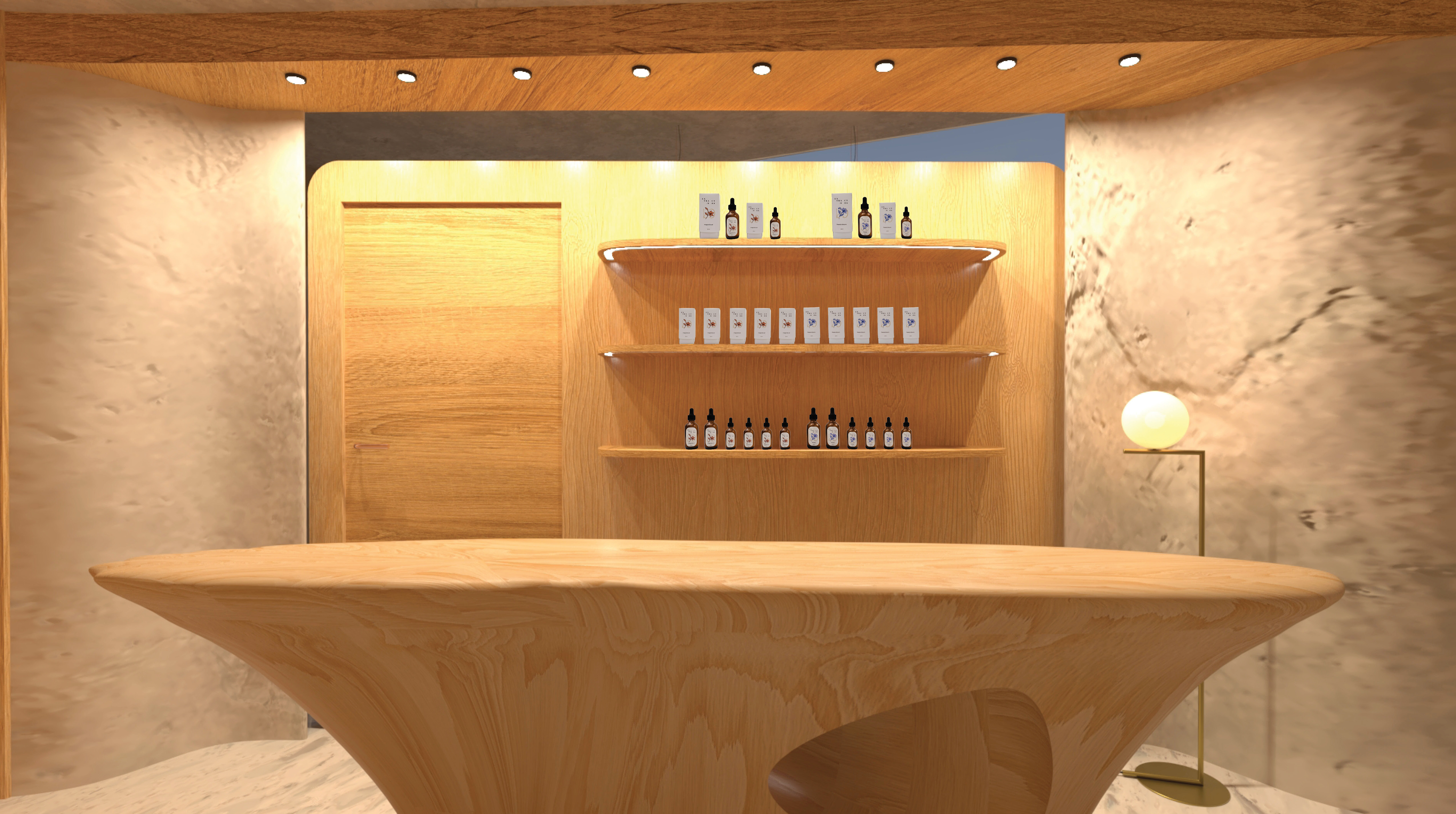
Through research into current fragrance branding, I became interested in how scent could be communicated more quietly and thoughtfully. This led me to reframe IAO as an institute rather than a conventional brand. In response, I reframed IAO as an institute rather than a conventional brand, positioning scent as something to be observed and studied. Through iterative exploration of typography, materiality, and spatial design, I developed a restrained visual language rooted in softness and structure. This system extended into a series of promotional, class, and event/gala posters that communicate IAO’s programs while maintaining a calm, atmospheric tone. Hand-drawn botanical illustrations reference the source of each extract, and the packaging unfolds like petals opening, reinforcing the ritual of discovery. All product photography was captured by me and later enhanced using AI-assisted rendering to develop atmospheric backgrounds. This allowed for rapid exploration of spatial mood while maintaining full authorship over the packaging, illustrations, and final visual compositions.
Through this rebrand, I developed a deeper understanding of how to build a cohesive identity system across graphic, physical, and spatial design. I learned how to translate an abstract concept like scent into visual and material forms through typography, imagery, and interaction. The project also strengthened my ability to design with restraint, focusing on subtle details, pacing, and atmosphere rather than overt visual impact. In addition, I explored the integration of new tools, including AI-assisted rendering, as part of my workflow to enhance visualization while maintaining clear creative direction. I also gained insight into designing for a nonprofit context, considering how the identity can support a community of artists, educators, and independent perfumers. Overall, this project helped me think more holistically about branding as an experience rather than a set of isolated deliverables.