
Image
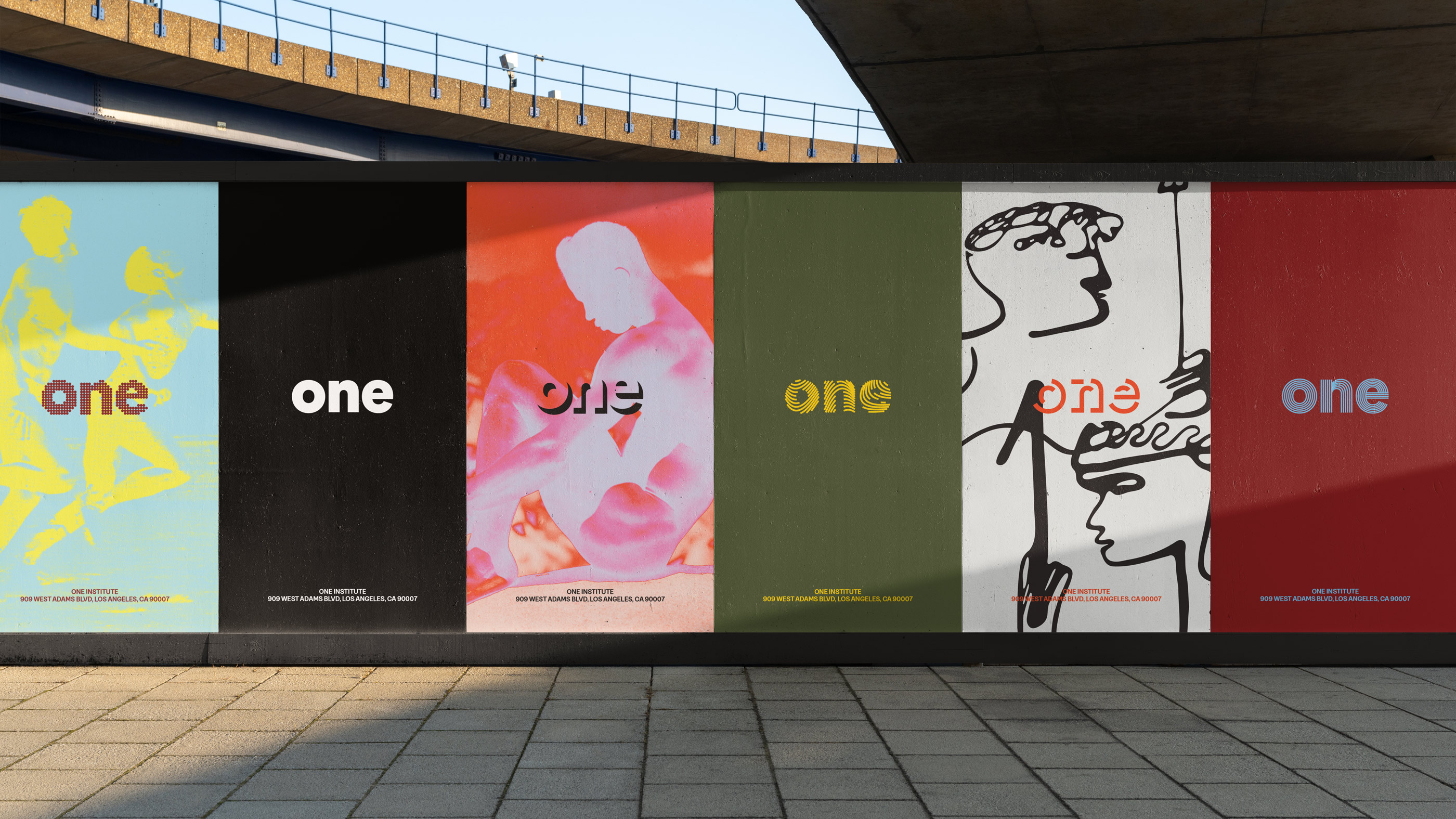
Out of home posters show the flexibility in the color palette, archival images, and variable logo system.
Image
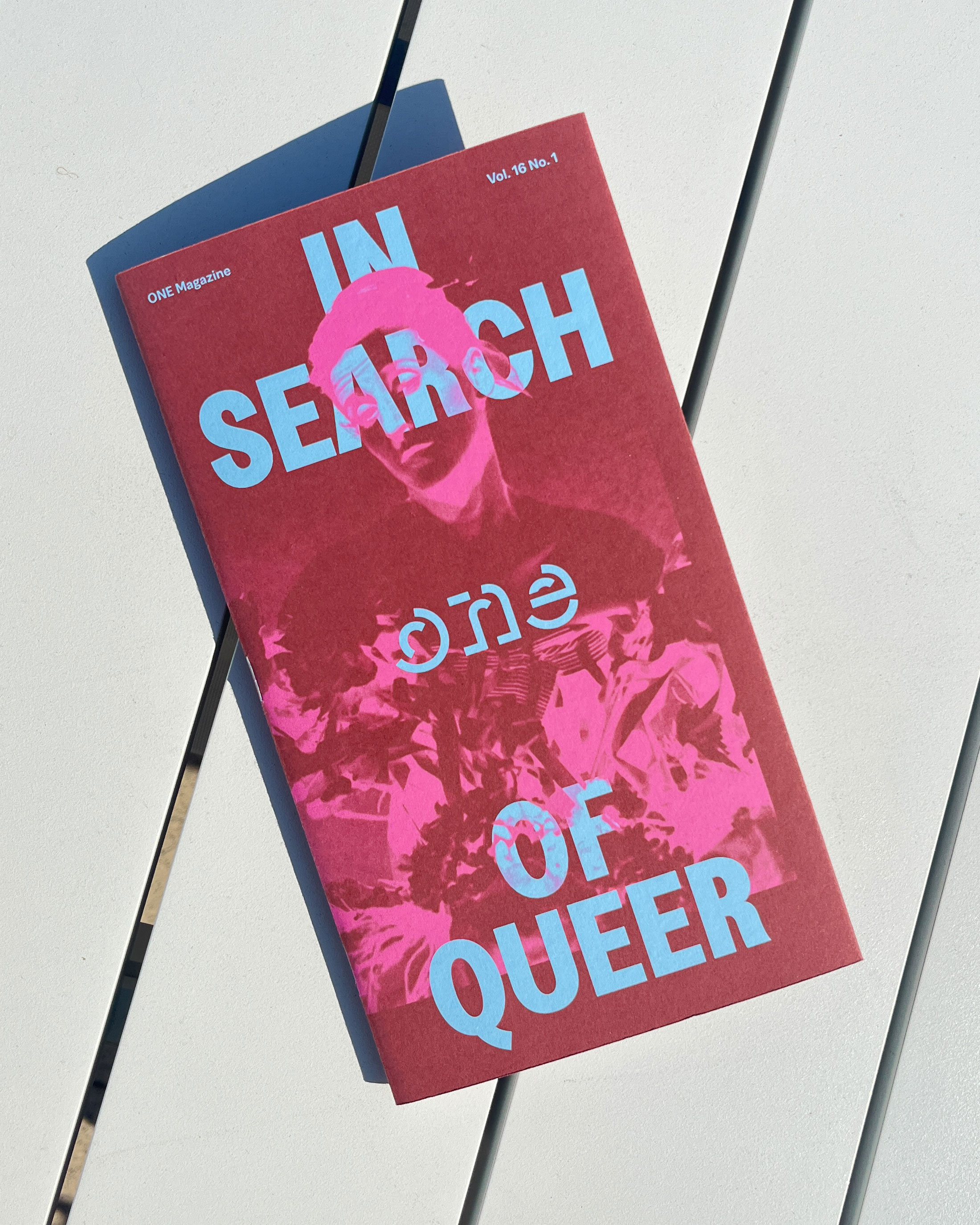
From the onset of this project, I knew I wanted to revive the Institute’s magazine. What began in the 1950s and '60s as a publication focused on gay men’s issues, I sought to expand its reach to be more inclusive of today’s broader queer community.
Video file
The first reissue of the magazine is centered on what it means to be queer today. I collaborated with contemporary artists and writers, while also drawing from articles found in the original magazine, to explore this theme. What's revealed is both how much has changed and how many struggles remain the same.
Video file
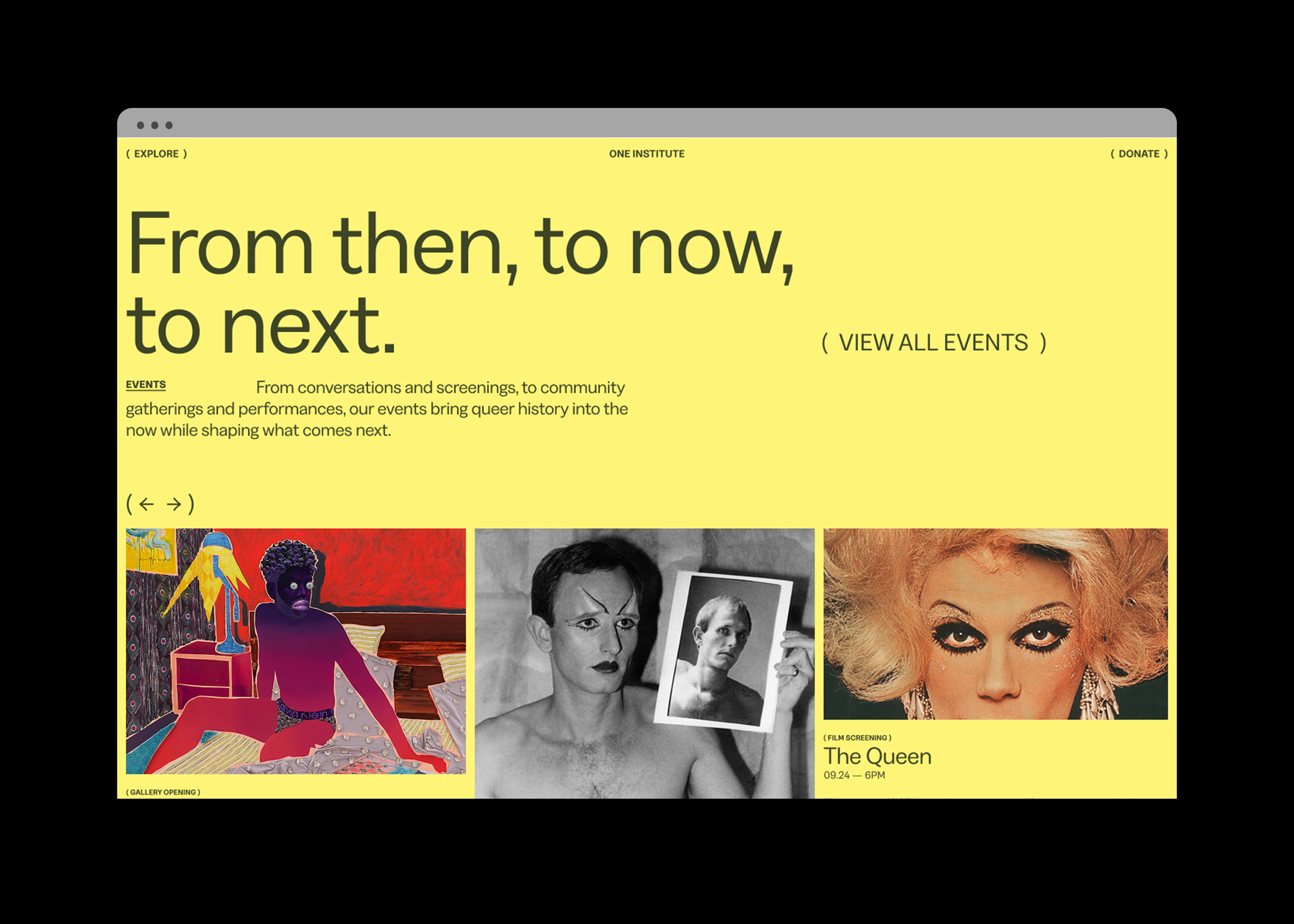
As the primary point of contact for the public, I wanted to shift the Institute’s website from academic to accessible. What was once a dense, intimidating online archive is now a space where visitors can explore at their own pace. Structured like physical archival drawers, the site showcases curated collections, events, and the Institute’s history.
Image
Image
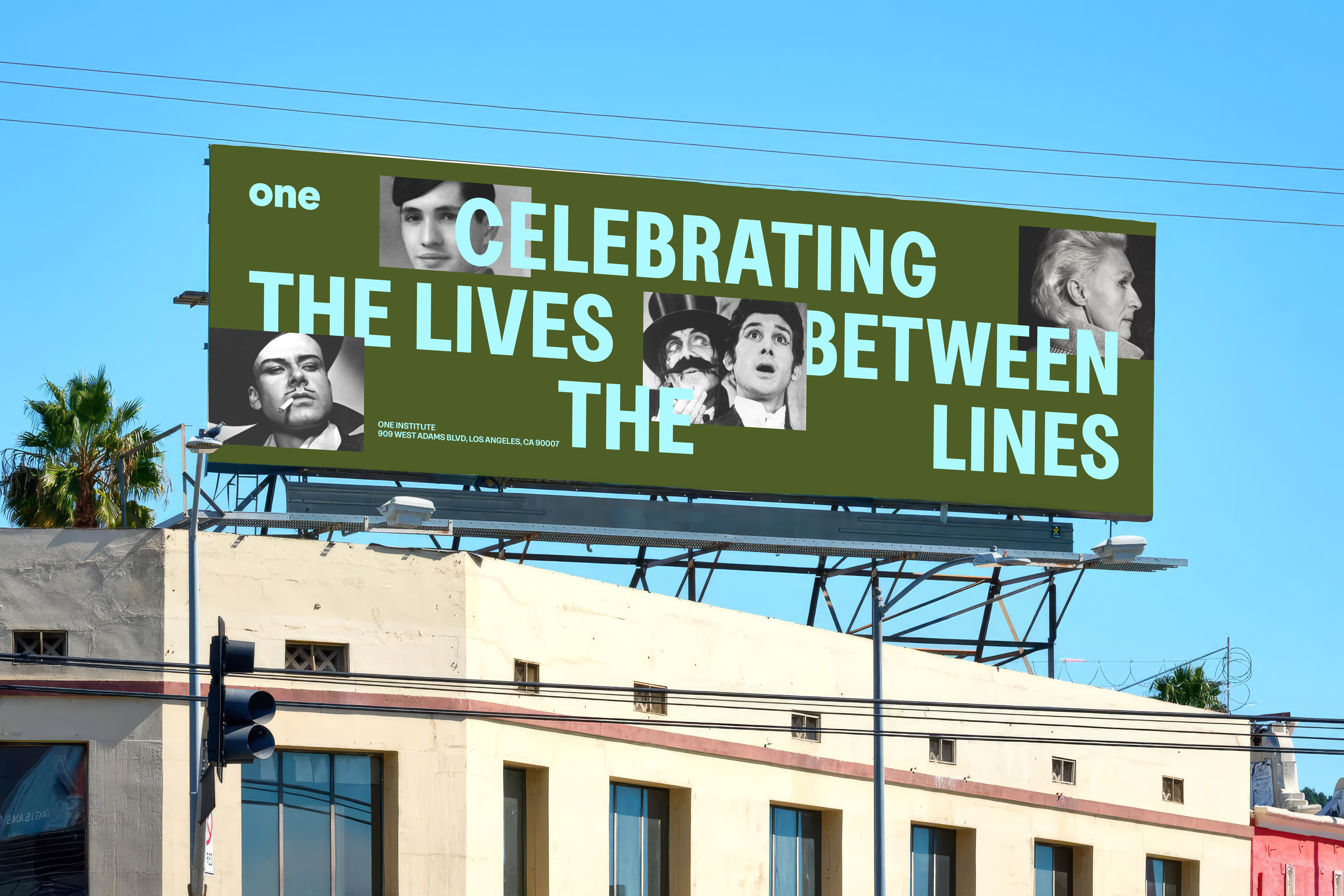
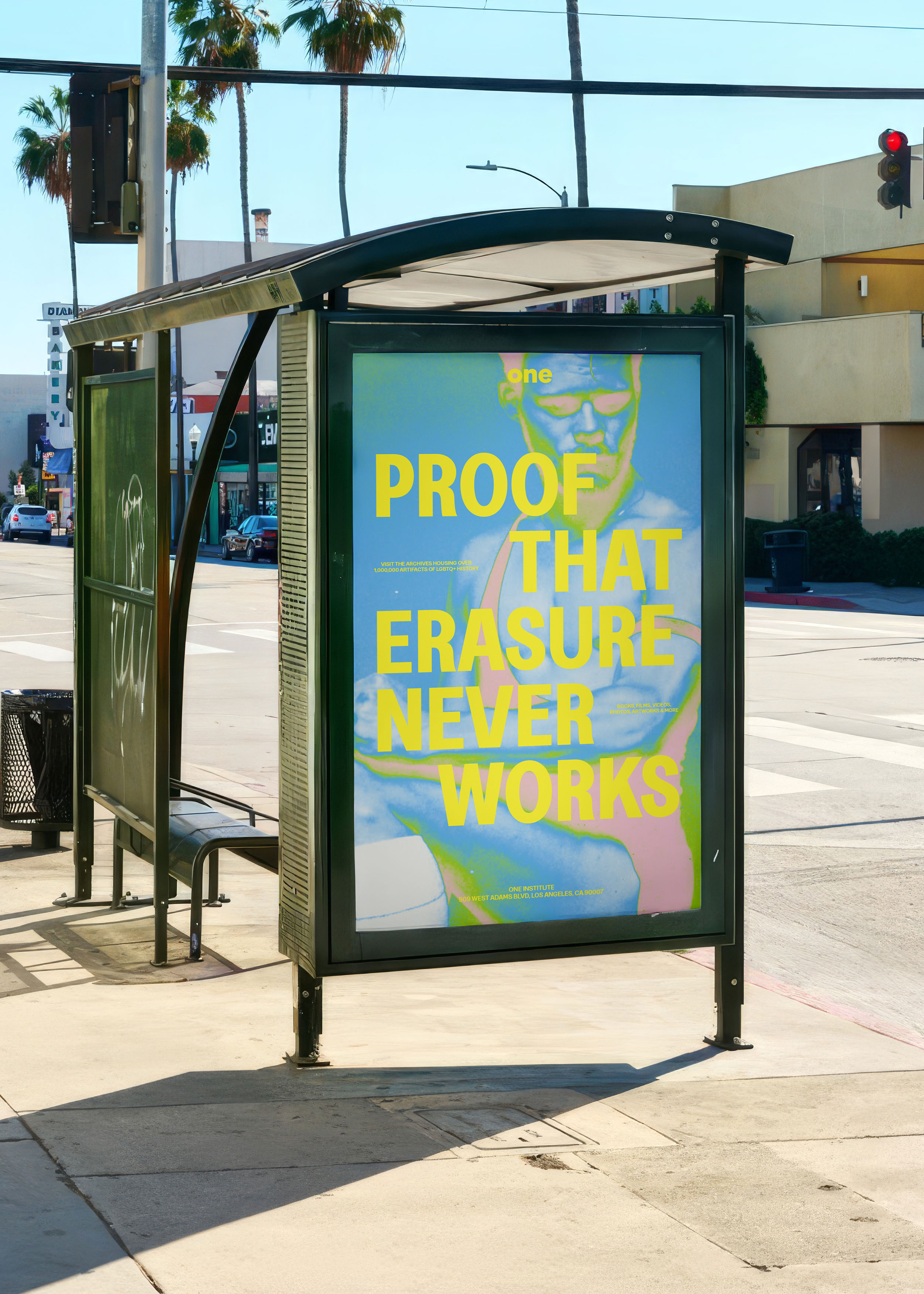
To educate the public on this resource we have in our city, I would place out-of-home ads strategically across LA’s creative neighborhoods and near key cultural institutions.
Image
Image
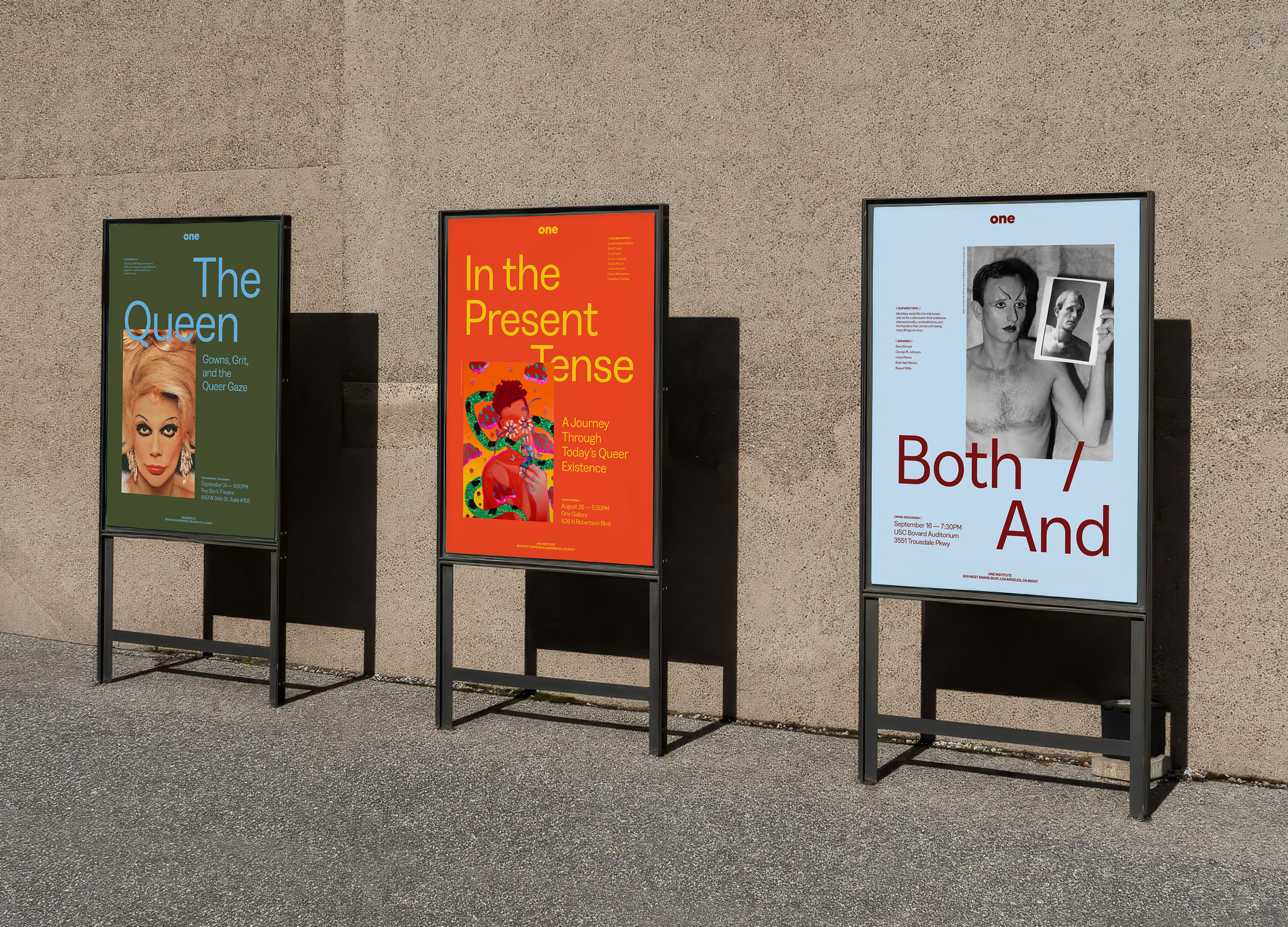
As a way to build community, I developed a series of events designed to bring the public to the Institute in person. From film screenings to art shows and lectures, the Institute shifts from being a solely academic space to becoming a cultural cornerstone for the city.
Image
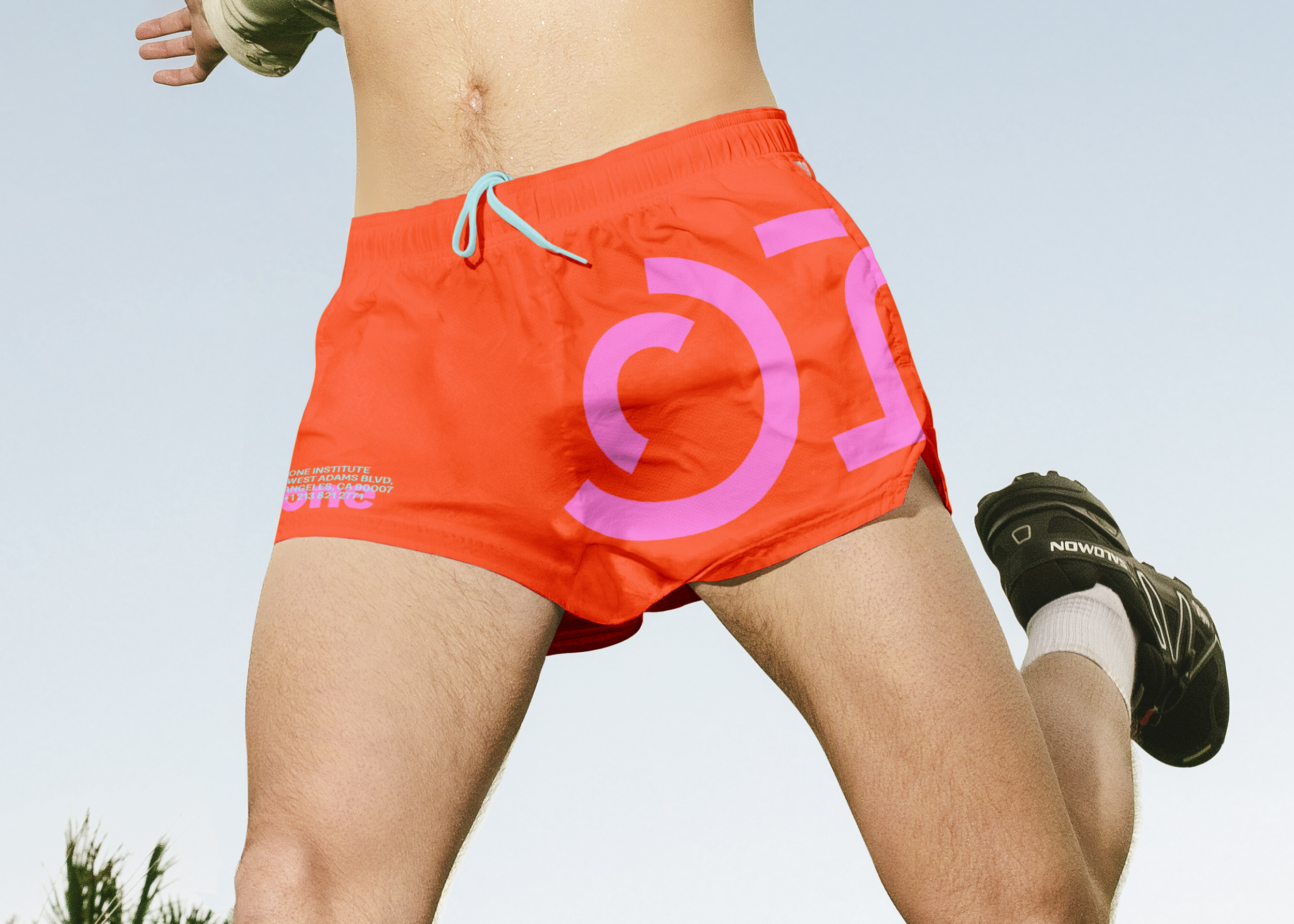
As an extension of the identity system, I wanted to create pieces that evoke a lifestyle brand. Designed for those who identify with the Institute’s mission and are proud to represent it within their community.