
Image
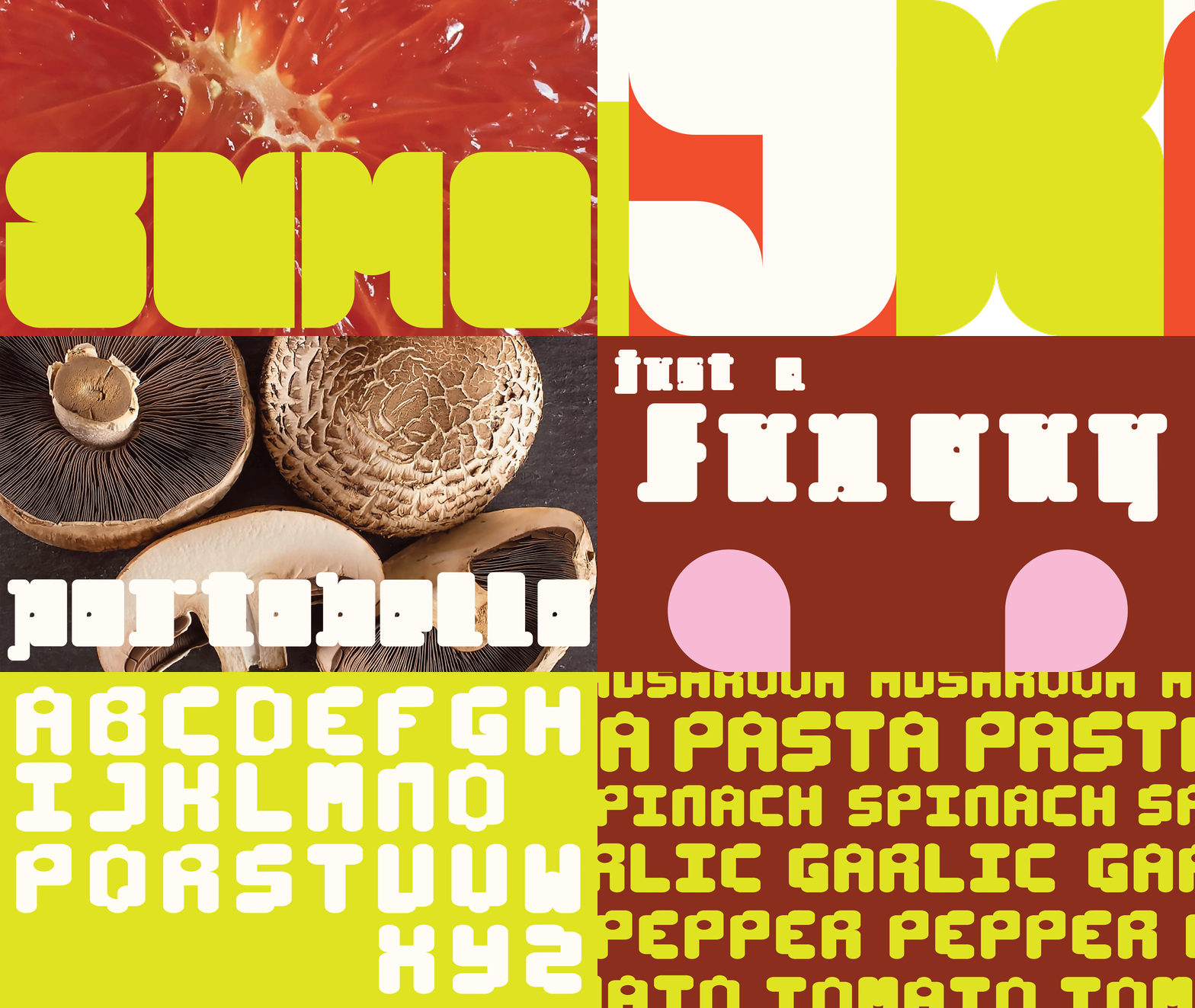
I take an interdisciplinary approach to the graphic design process using cooking as a typographic tool and framework for community-building. More specifically, I investigated slicing and recombination of ingredients to inform modularity in rational letterforms and typographic expression. Slicing directions became patterns, and the shapes they created became additional layers to to expand uniqueness of letterforms. From this slicing logic, I developed three distinct typefaces; sumo, portobello, and cremini. Each of them took on their own personalities based on their slicing patterns and shapes, showing the flexibility of this method. Whether it was oranges or mushrooms, each food constructed its own letterforms.
Image
Image
Image
Image
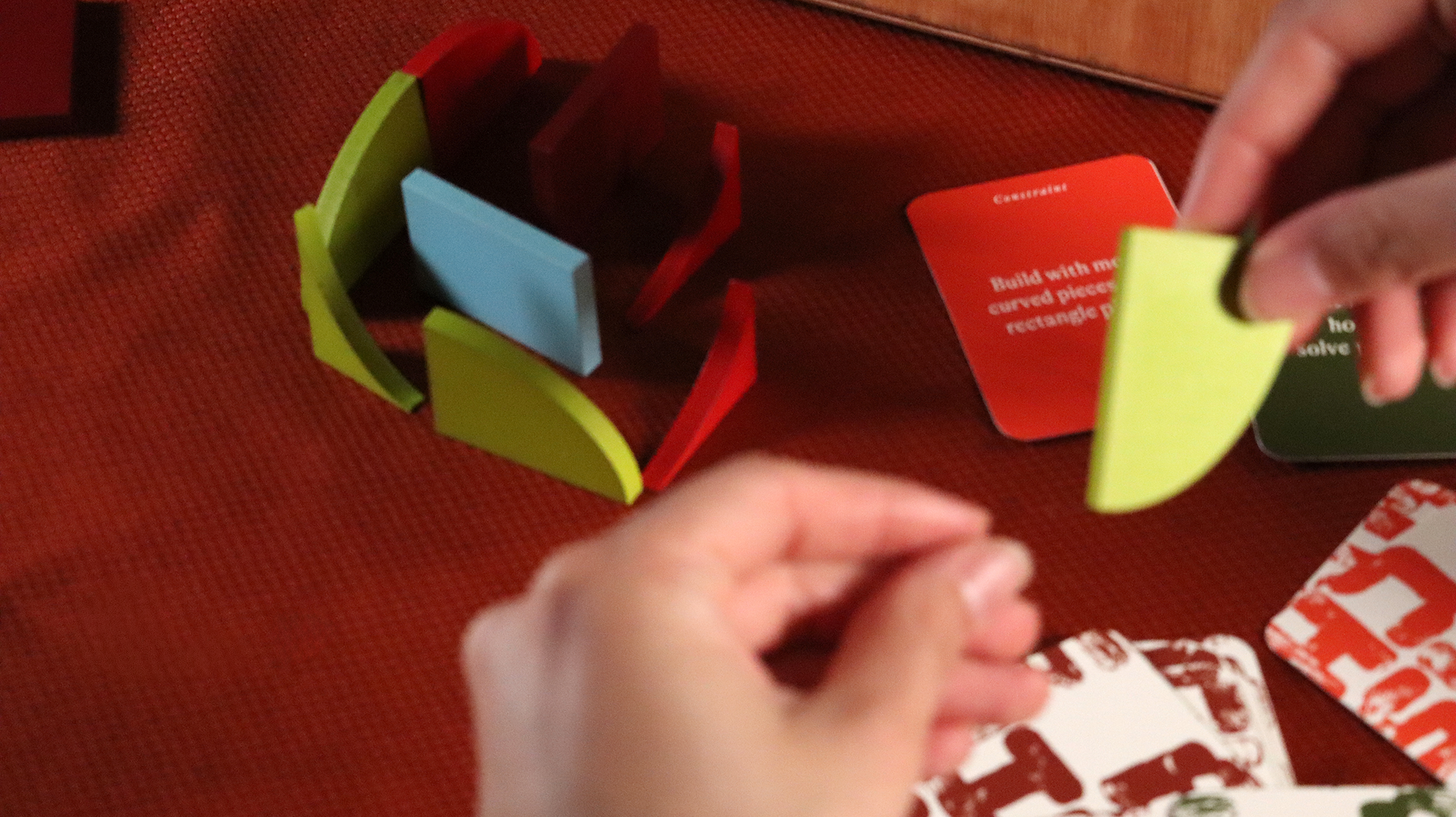
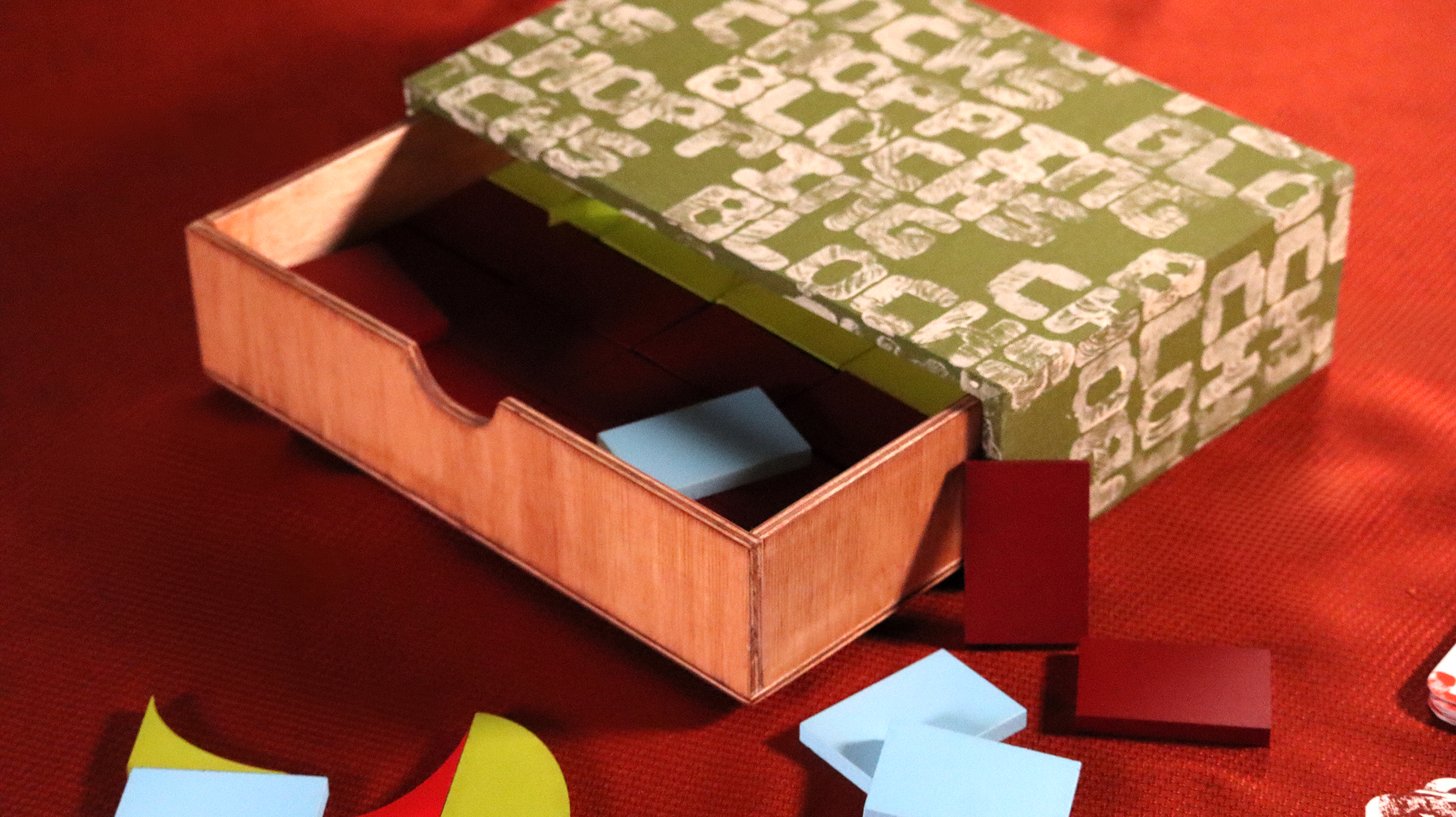
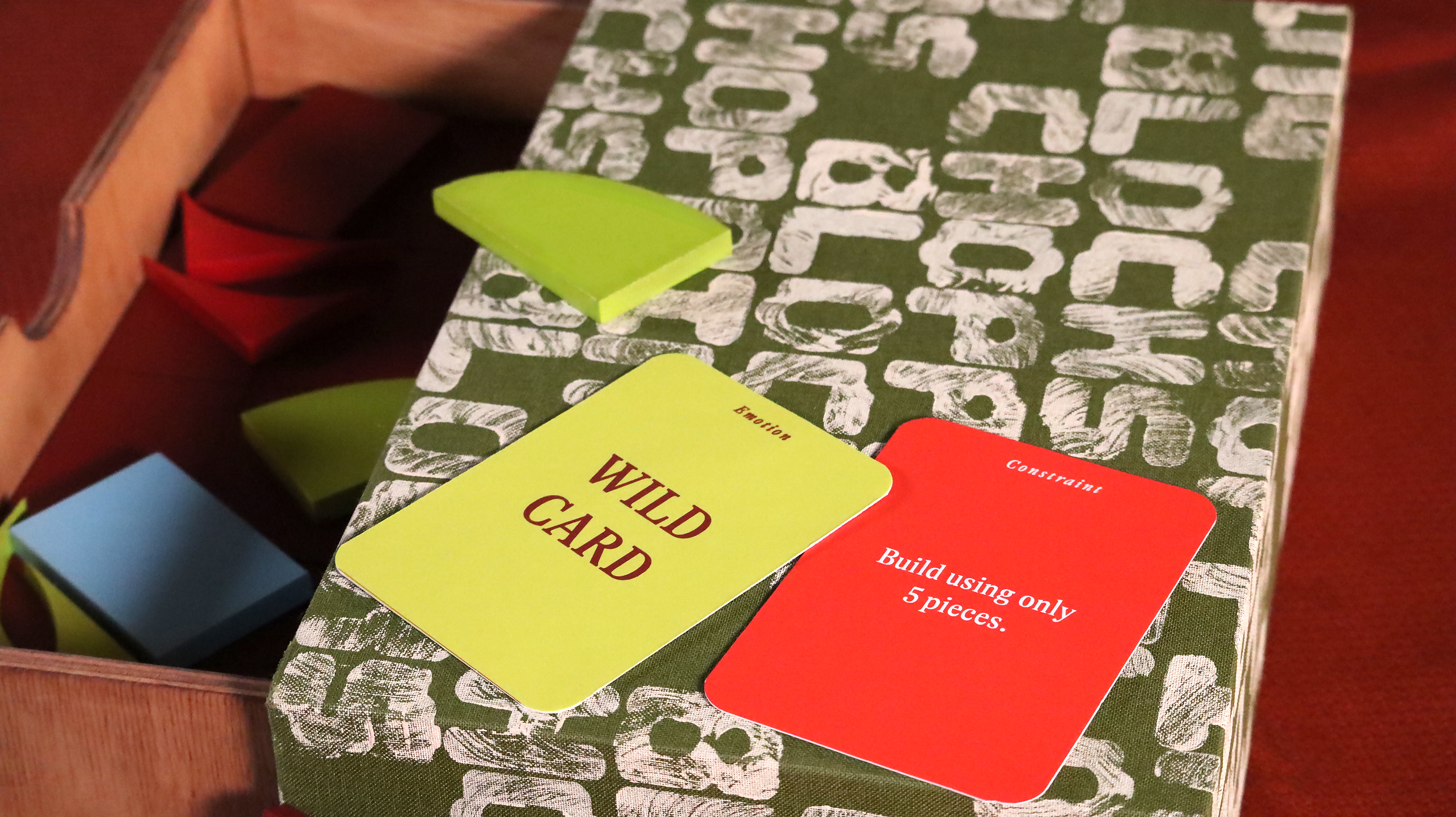
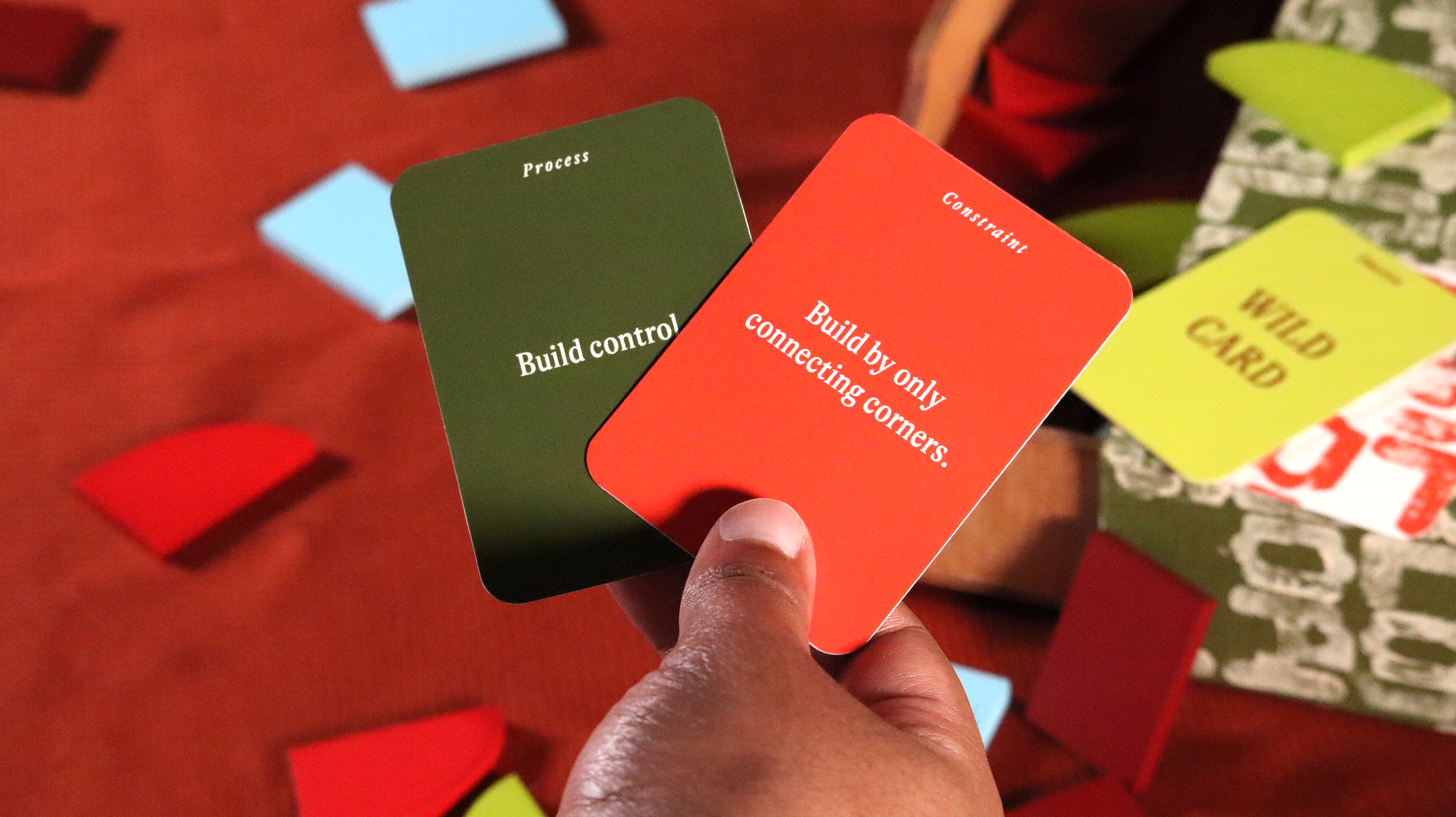
Chopping Blocks is a game that combines the physical and metaphorical dimensions of cooking as a design framework through play. The game pieces are derived from the same shapes used to build the Cremini typeface, and the packaging draws inspiration from kitchen toolkits and materials. Participants build images using a constrained set of modular shapes in response to prompt cards, while conversation-based prompts build interpersonal relationships alongside the making. The game can be played in any creative setting: studios, workshops, or just among friends, and with proper production, it could reach designers well beyond an academic context.
Image
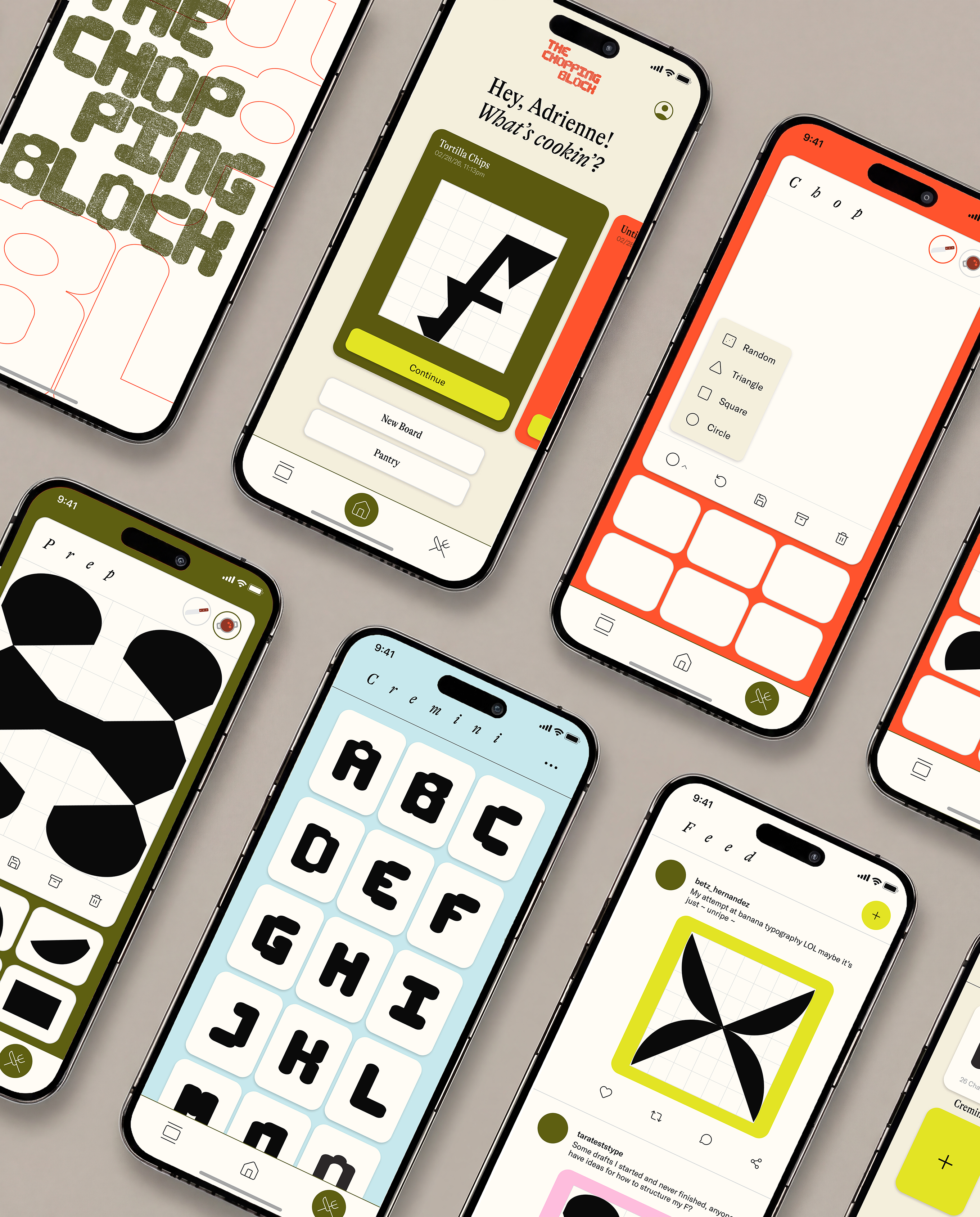
The Chopping Block app is similar to the game, but translates the physicality of slicing into a digital experience.
Rather than replacing the tactile act of cutting, it extends it.
Rather than replacing the tactile act of cutting, it extends it.
Image
Image
Image
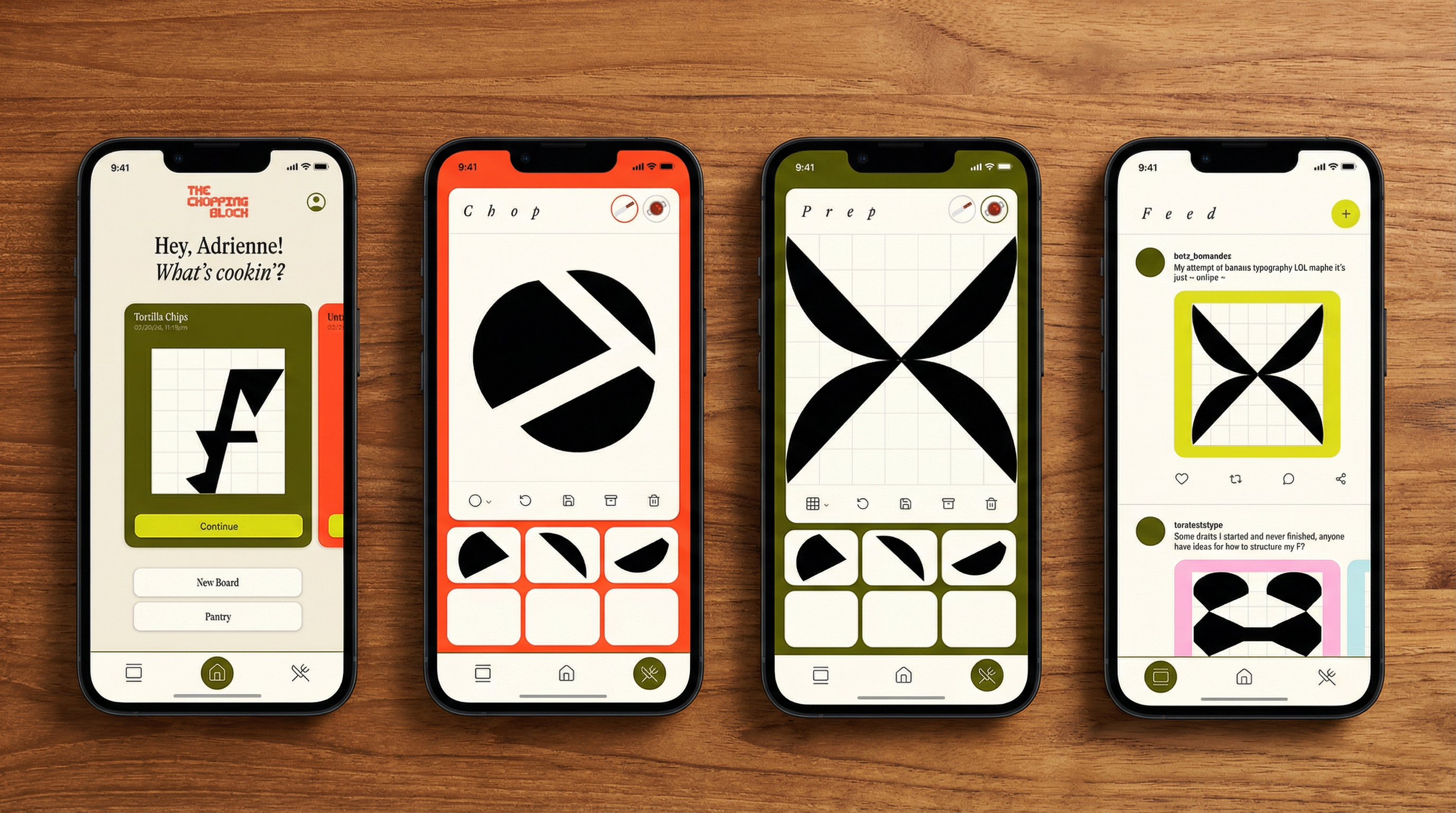
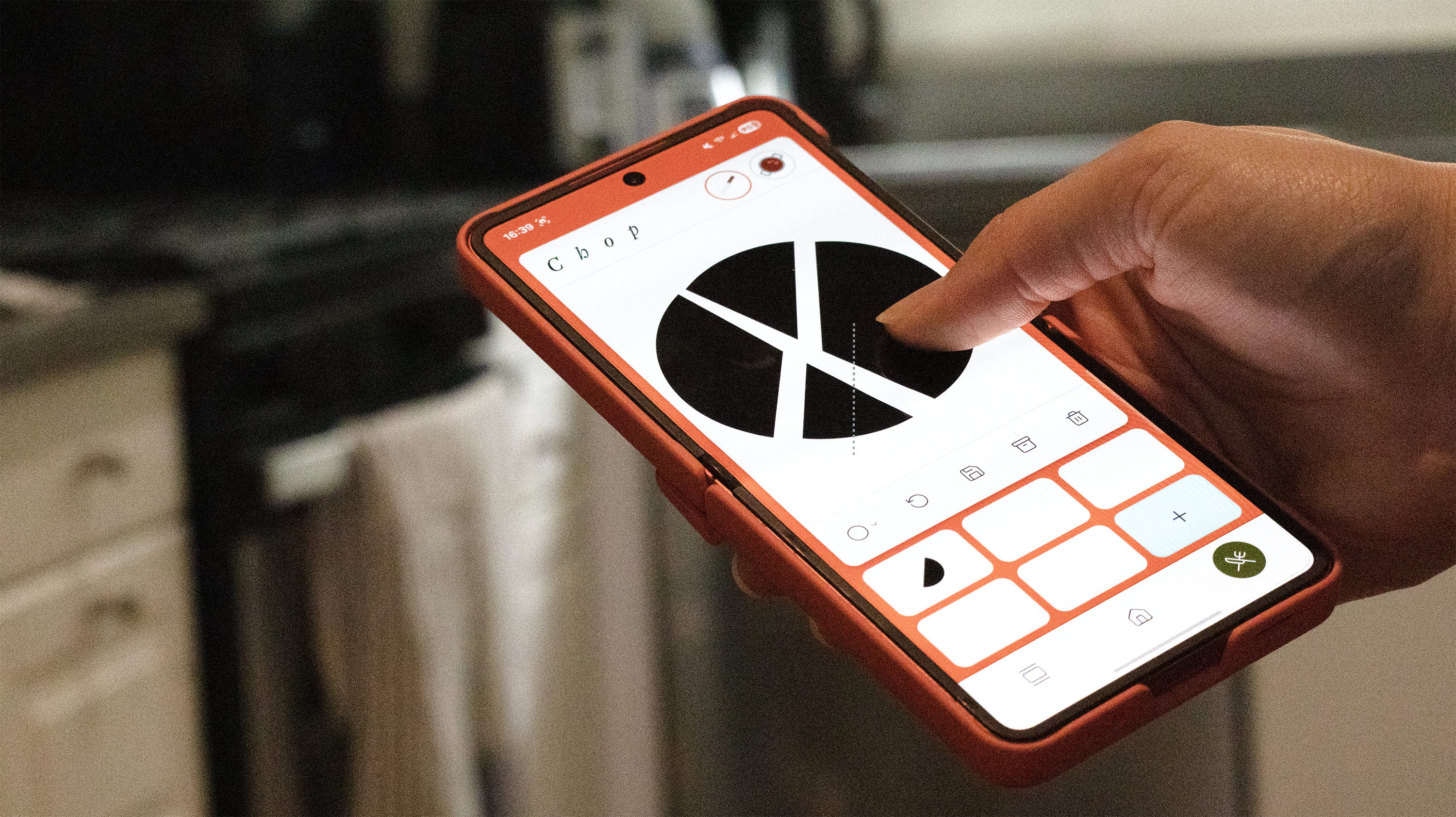
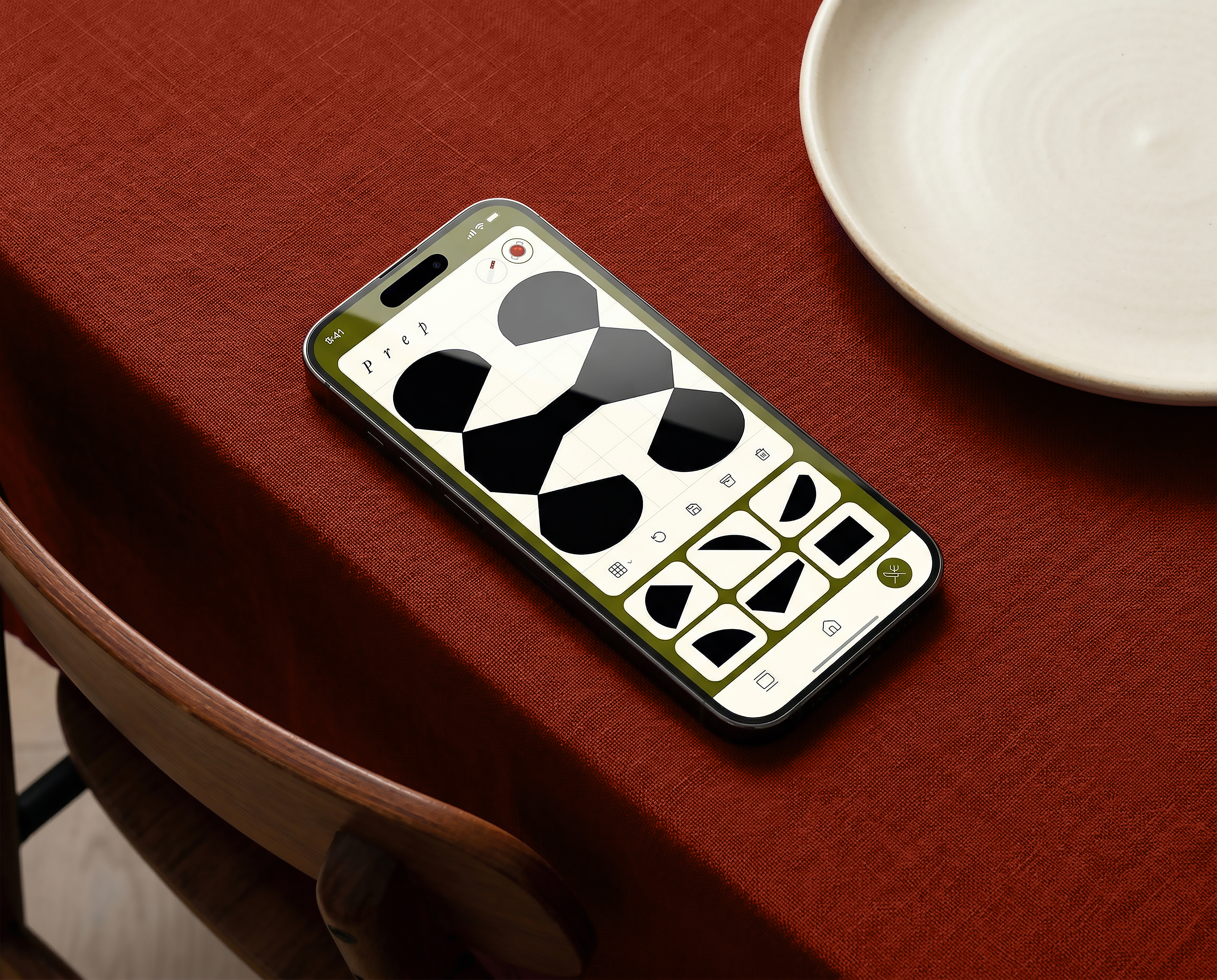
Participants drag their finger across the screen to slice shapes, the same way you would on a cutting board. The Chop pages encourage digital shape cutting, the Prep page lets participants customize their grid and build letterforms using shapes they cut themselves. I also added a social Feed that creates space for discussion on process and experimentation. Once fully developed and deployed, the app could be downloaded and used by anyone, with the Feed imagining a design community that extends far beyond a single room.
Image
Image
Image
Image
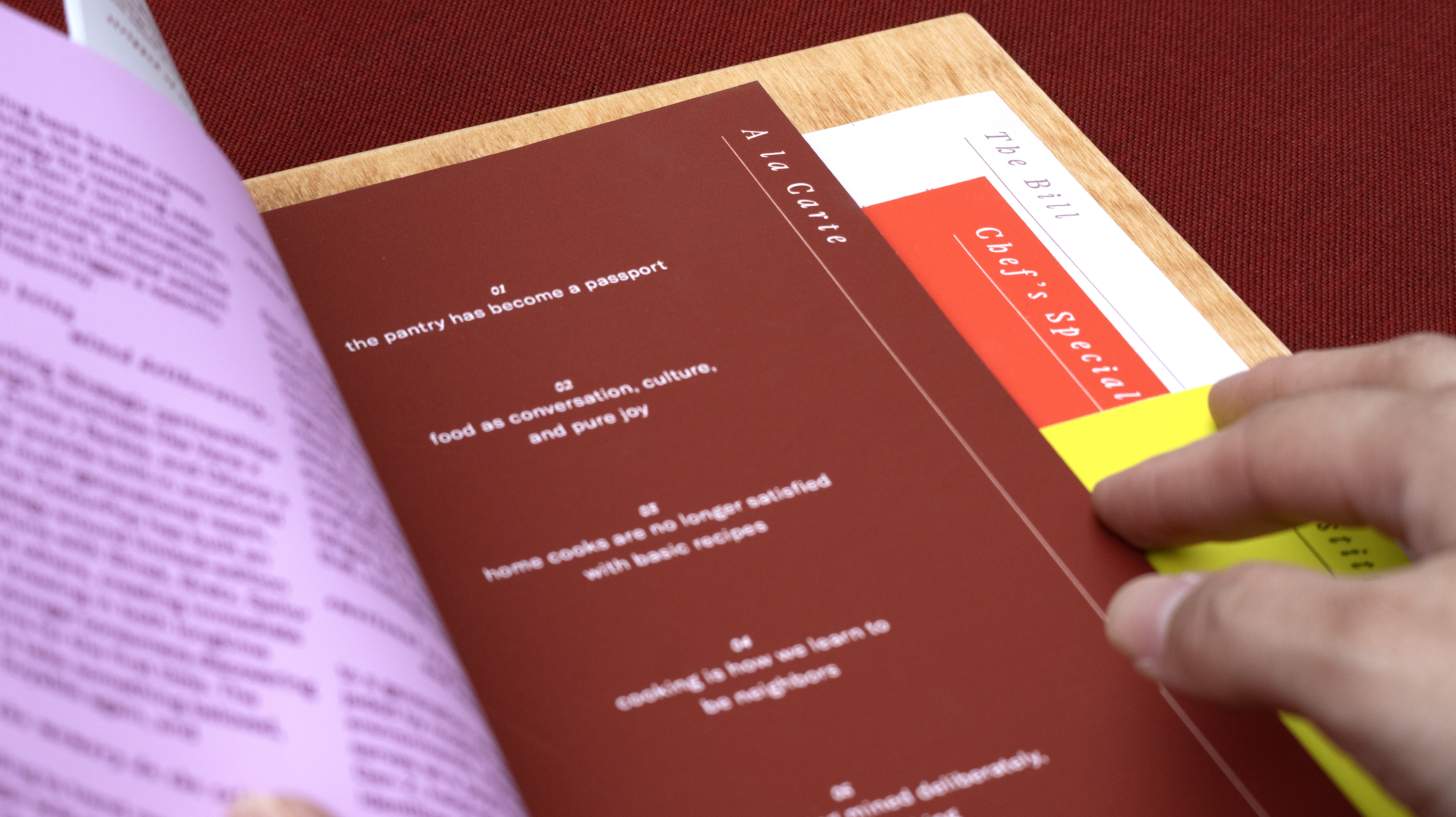
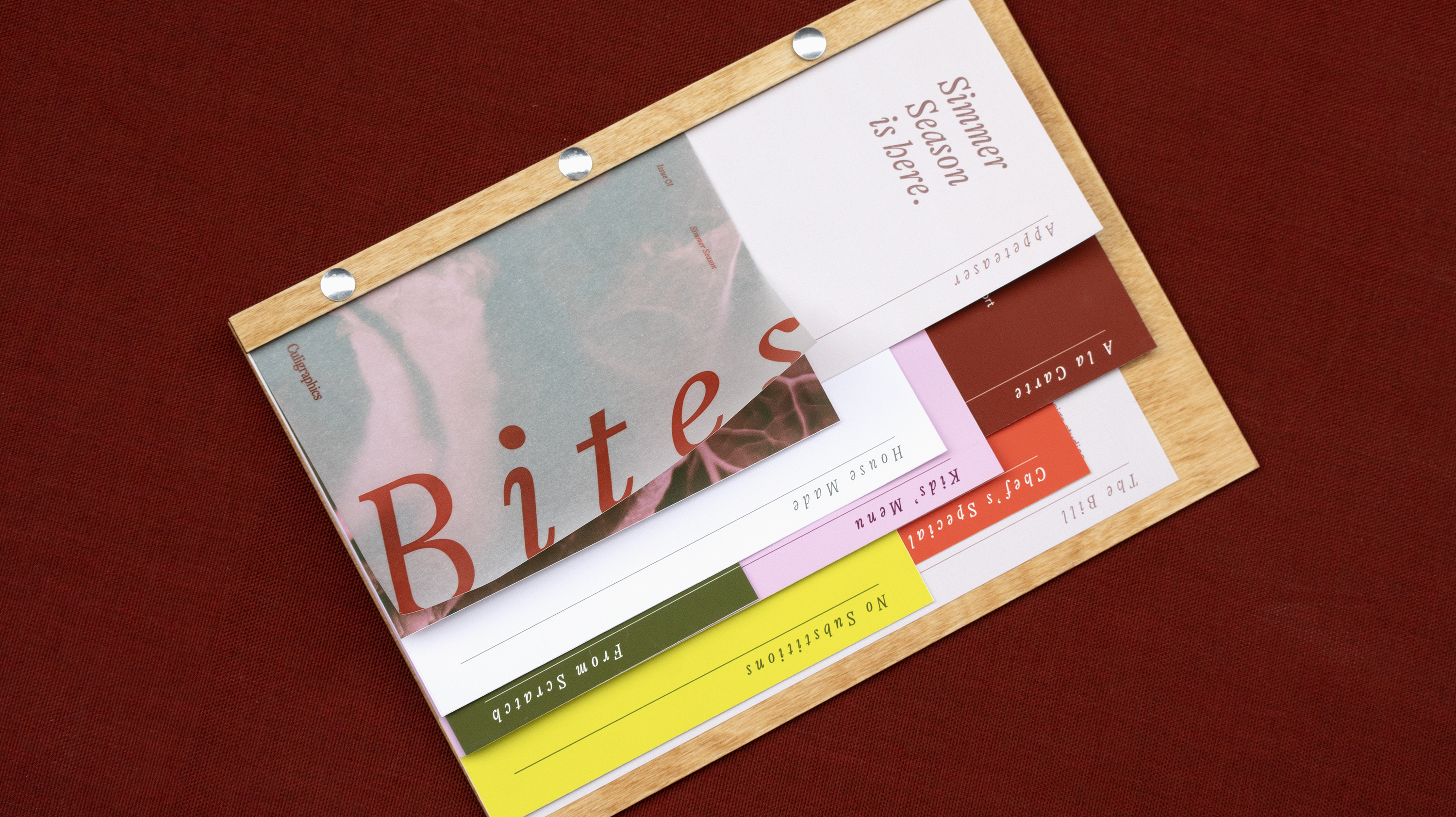
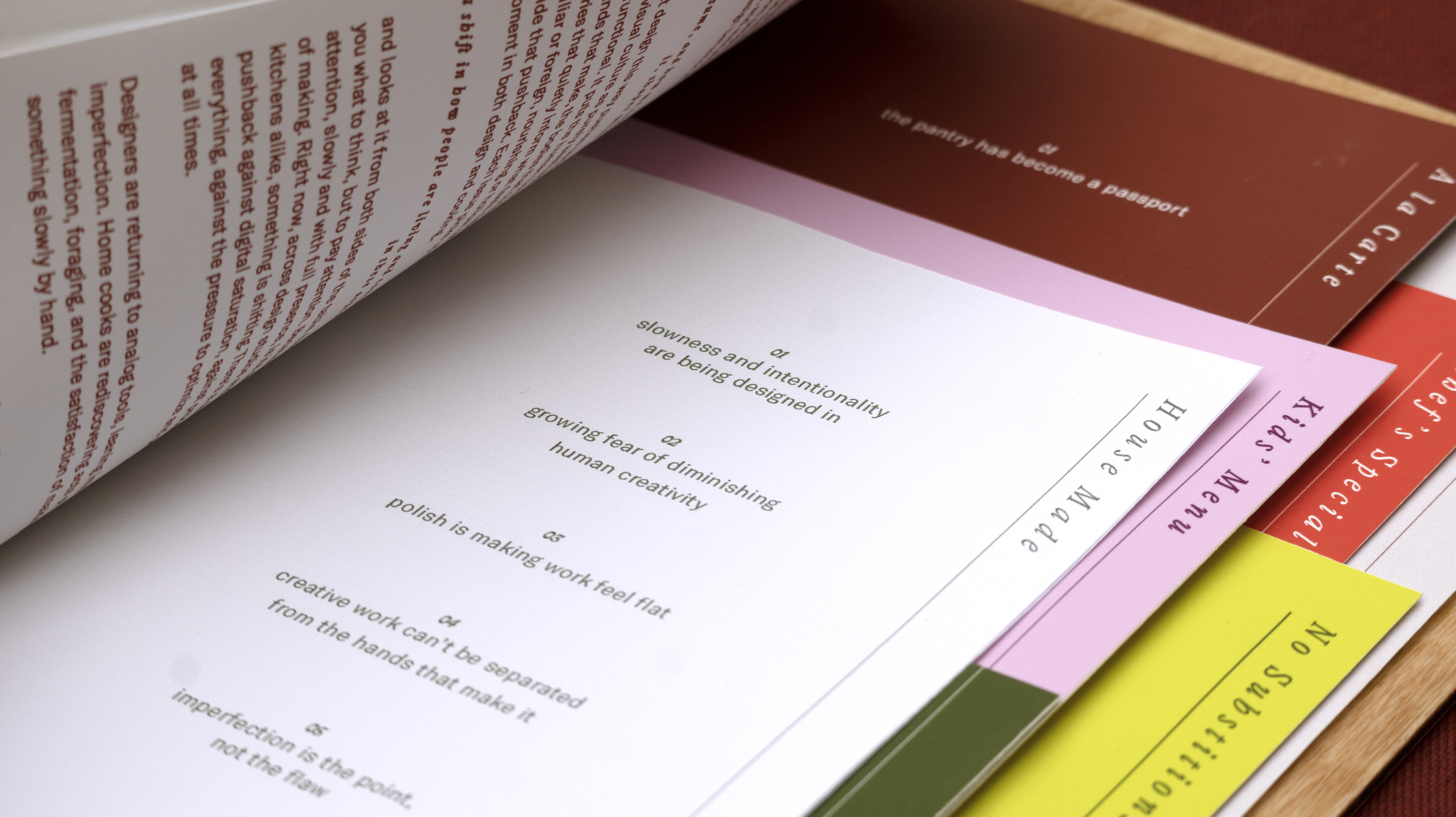
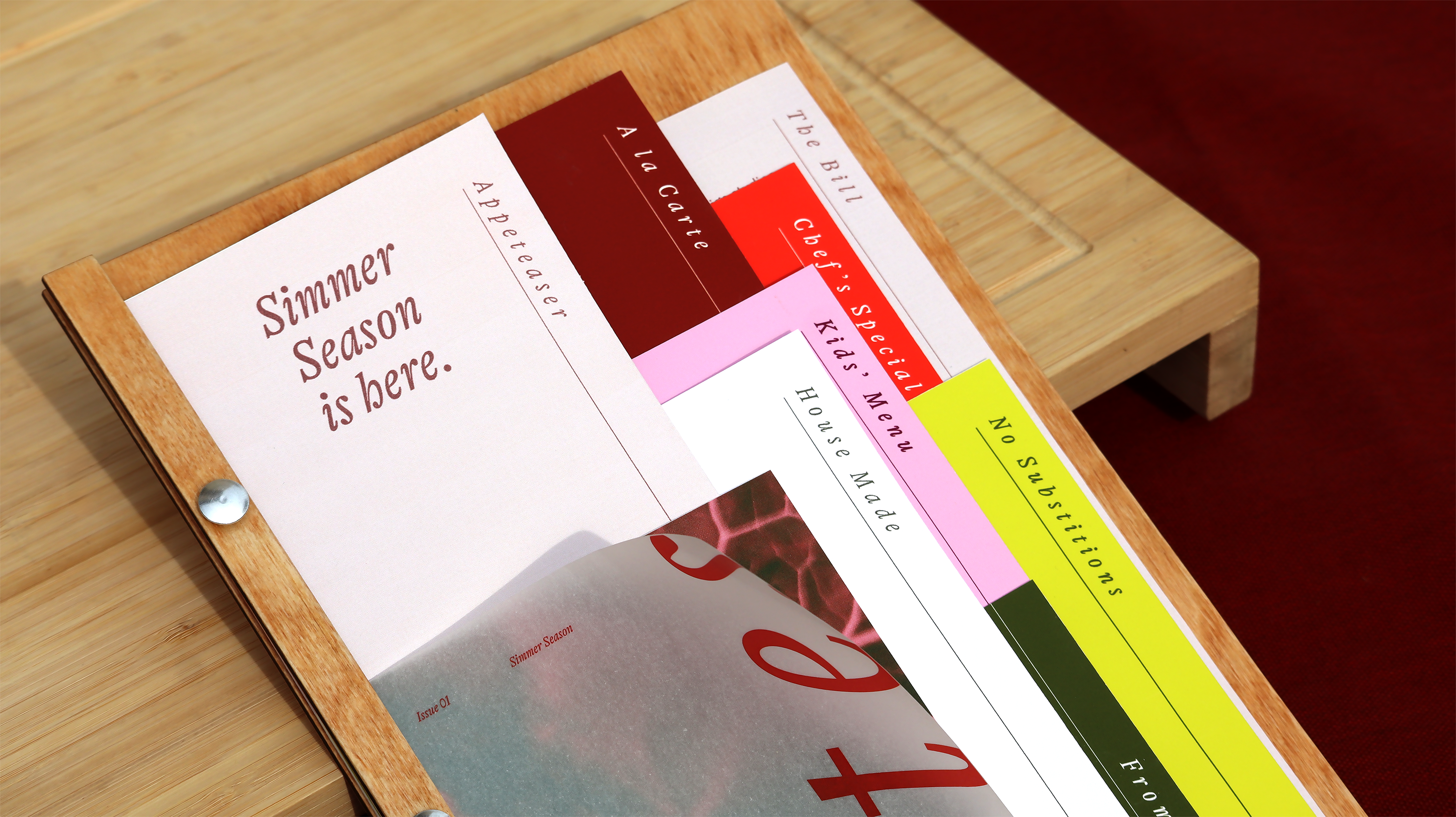
BITES is where the social dimension of the thesis fully materializes. It's a publication covering trends at the intersection of graphic design, food, and society. Structured like a tasting menu, each section lives on its own page of varying size and material. And because it's designed to circulate, it has a natural life beyond the thesis — shared in person, online, and across design communities. Structured like a tasting menu, each section lives on its own page of varying size and material. The binding is intentionally impermanent, giving readers full agency over how they navigate and share the information. The physical object itself is a modularity argument. Pages can be passed around, reordered, handed to someone else at the table. And because it's designed to circulate, it has a natural life beyond the thesis. It can be shared in person, online, and across design communities.