Chris Pena
BS in Product Design — Product DesignStanley Outpost
A Rugged, Modular Induction Cooktop for Outdoor + Emergency Use.
A durable, repairable induction system built for off-grid cooking and long-term use.
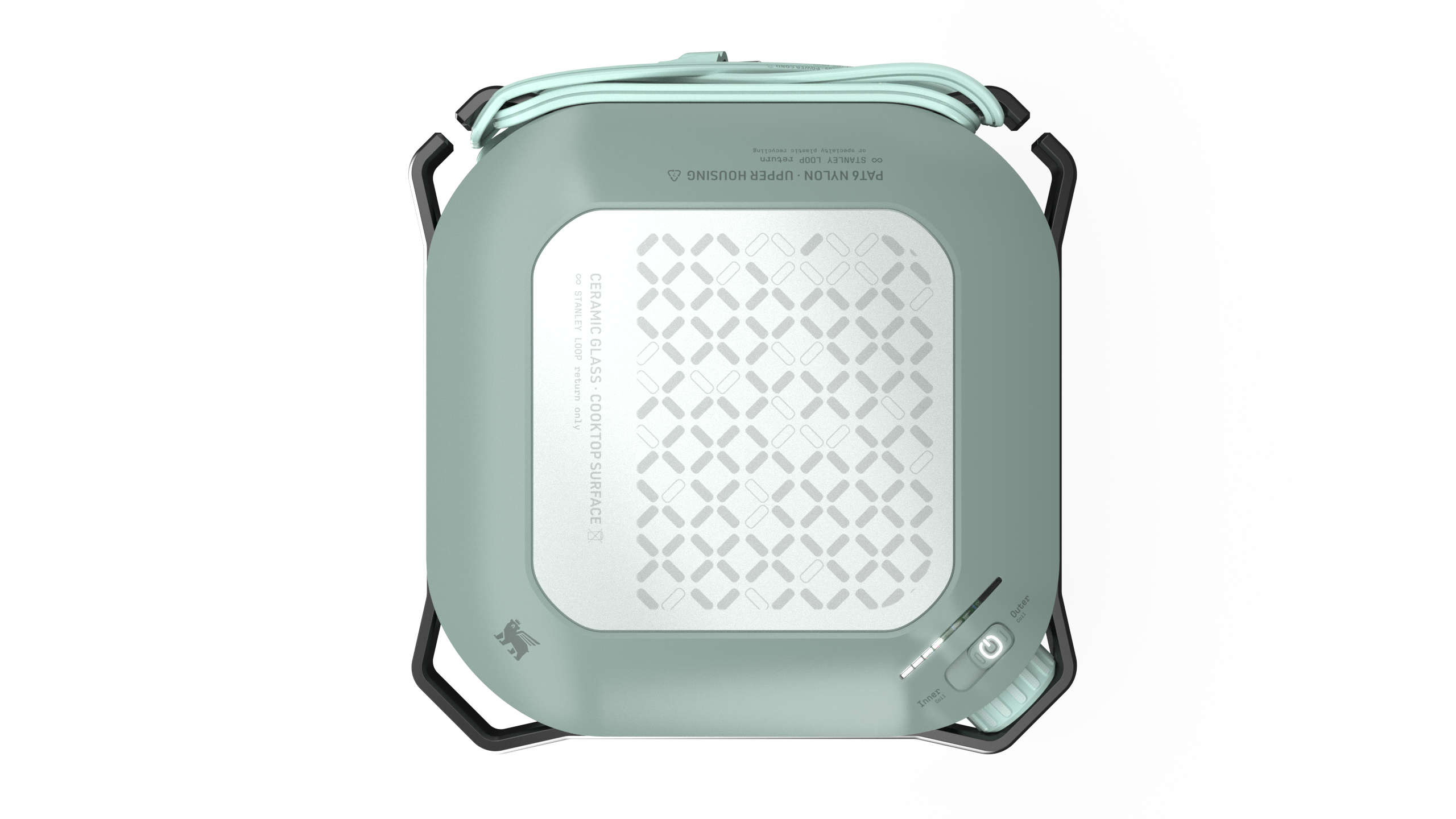
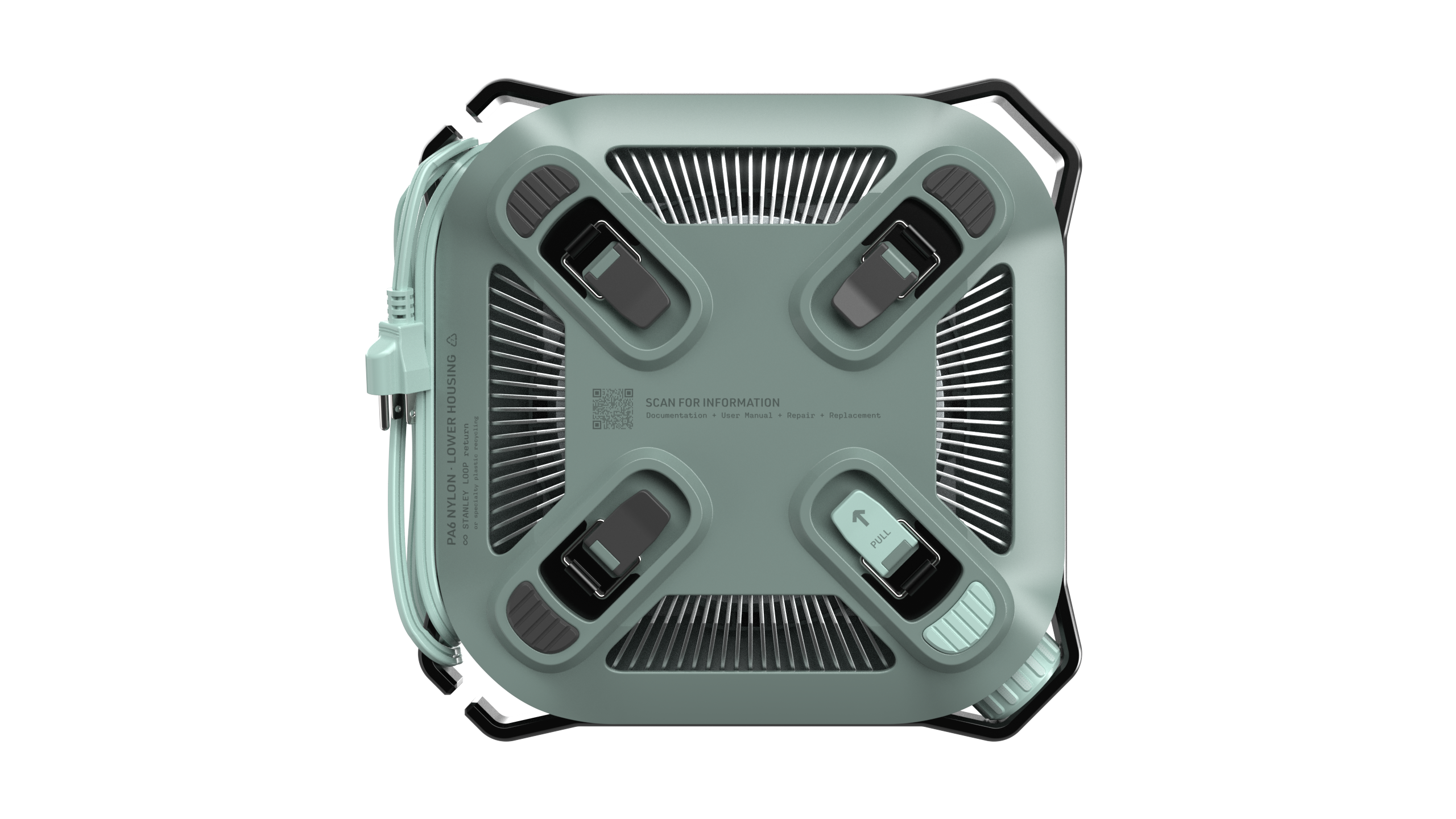
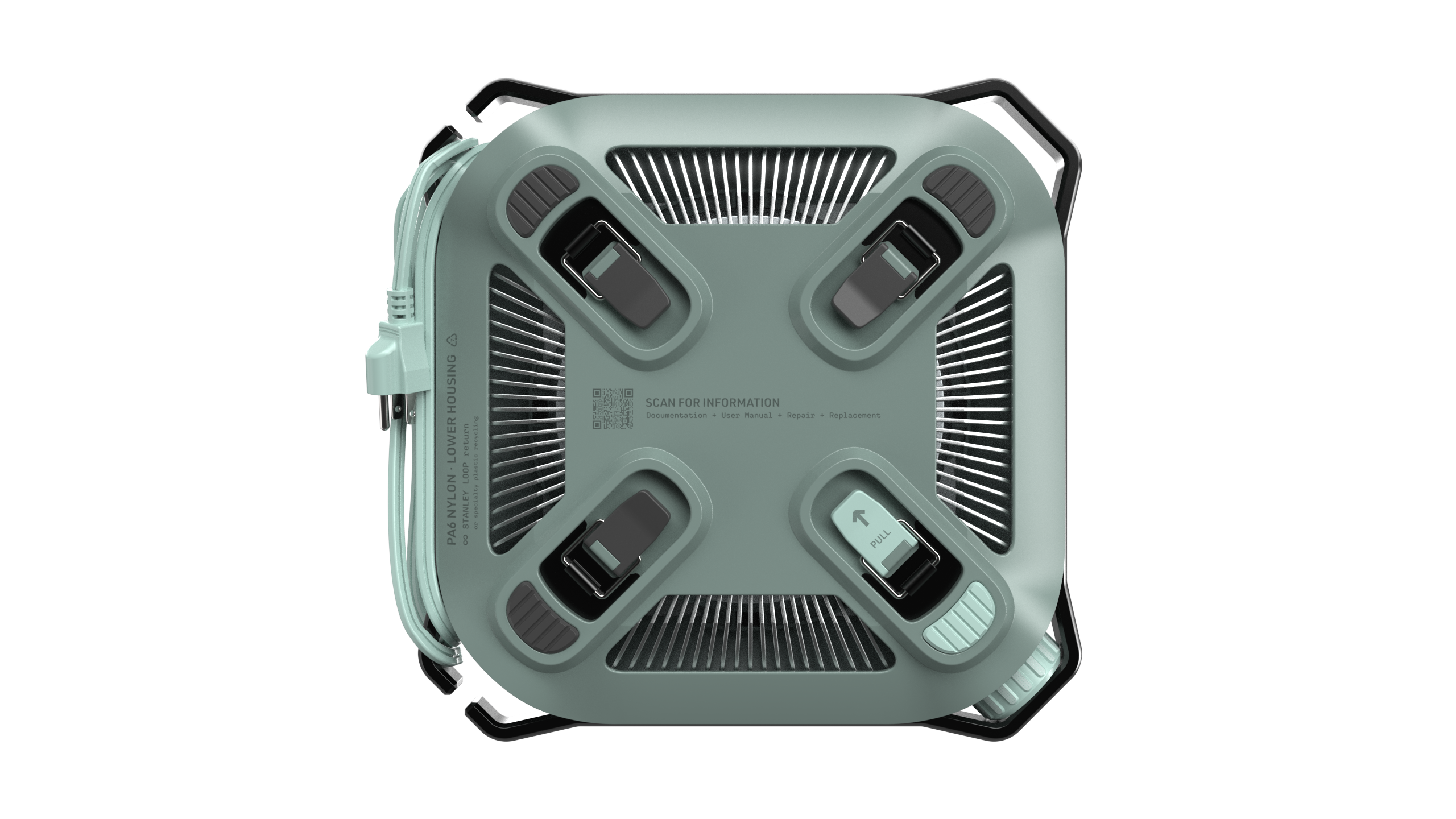
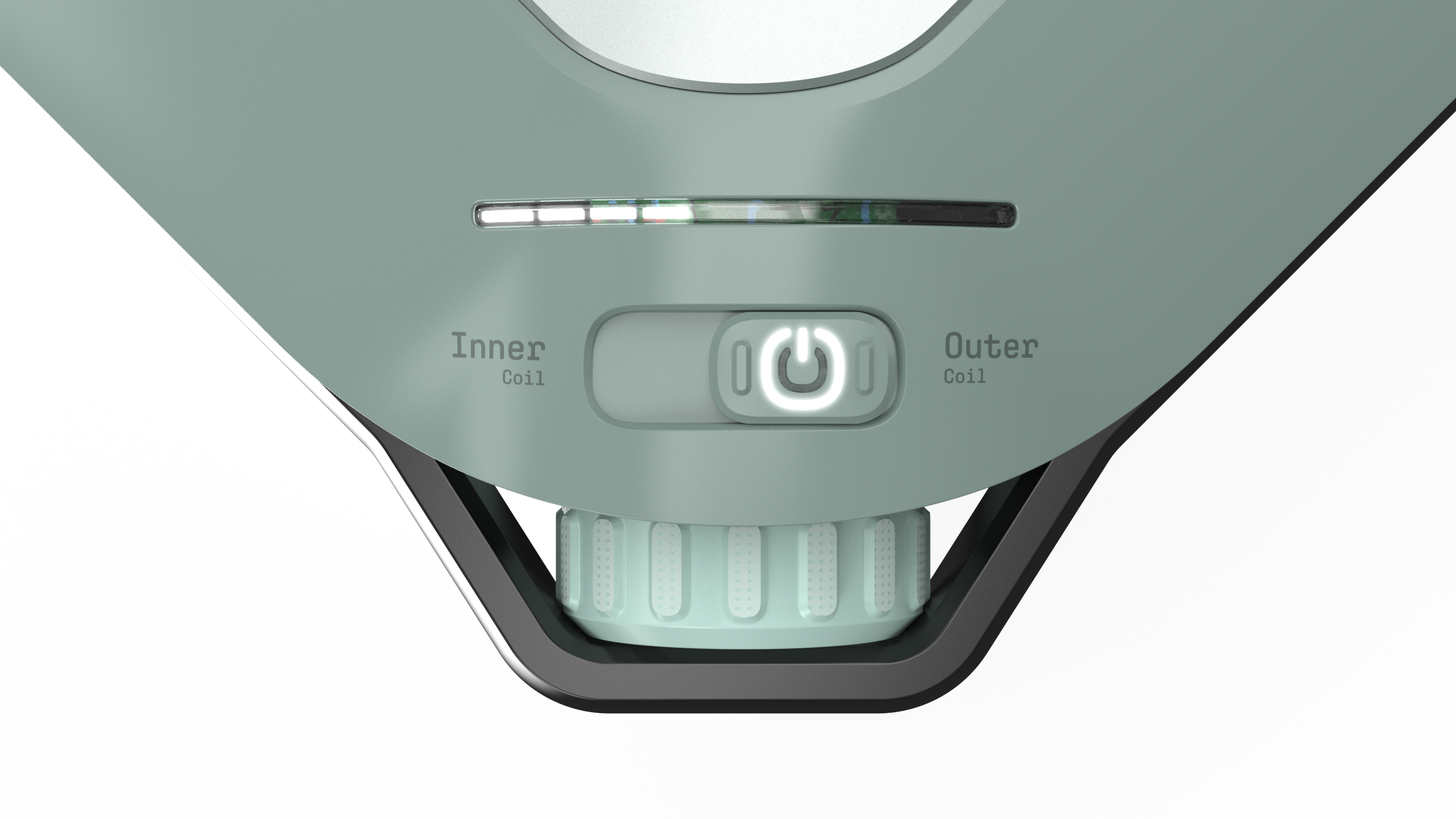
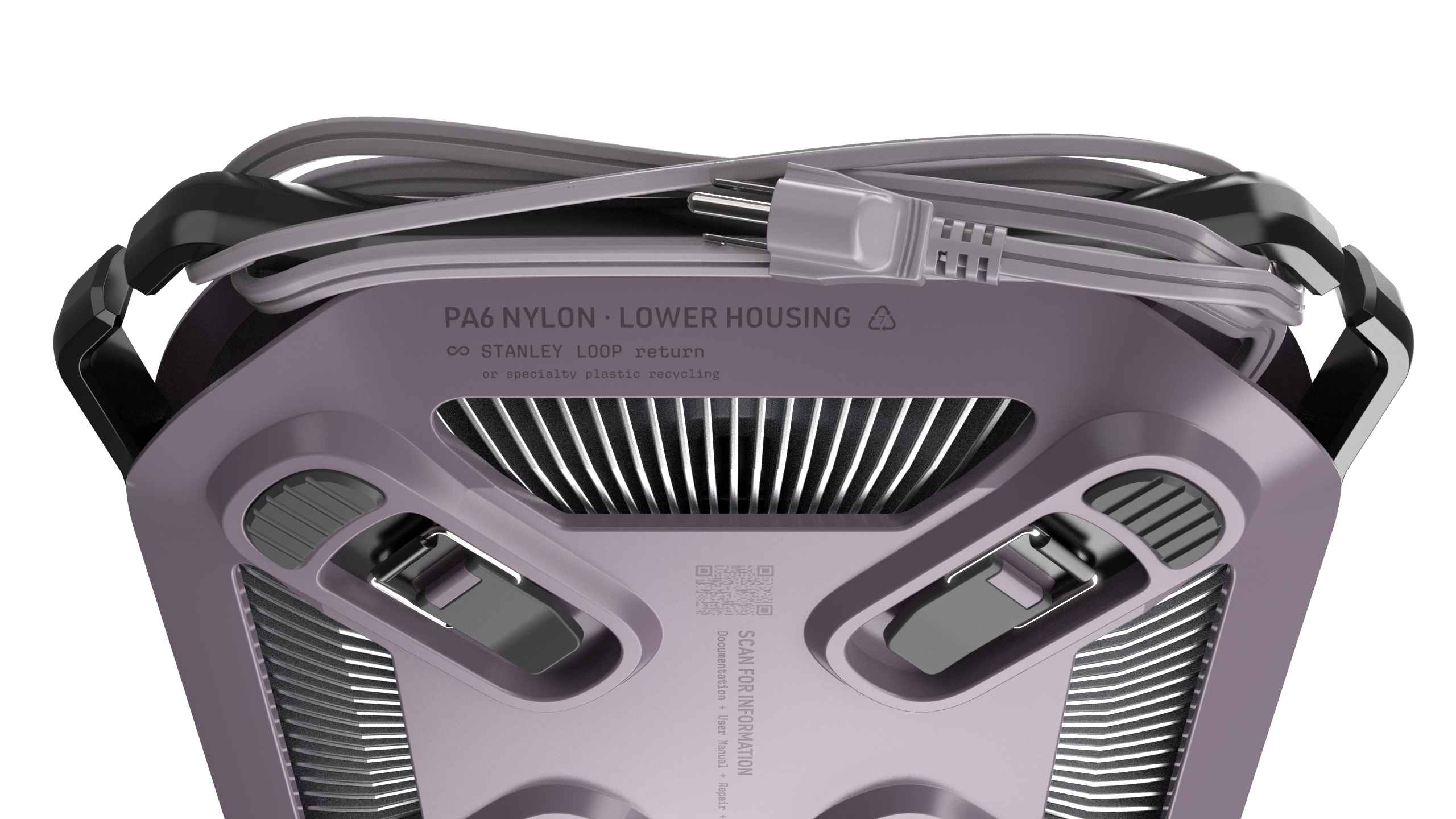
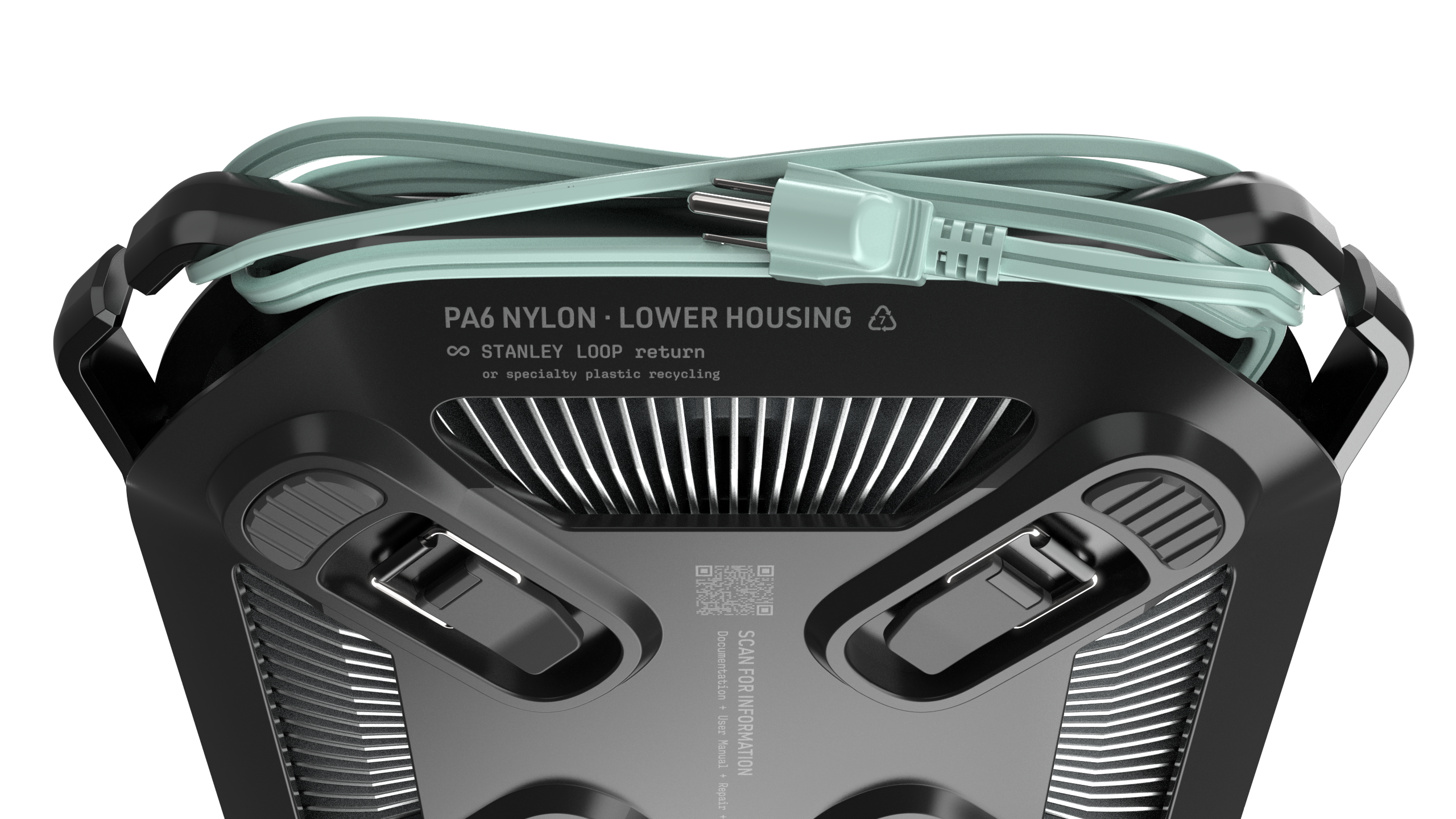
A portable induction cooktop designed for outdoor enthusiasts, overlanders, and emergency scenarios. Built around Stanley’s ethos of durability and longevity, the system prioritizes rugged construction, modular repairability, and simplified interaction. Designed to operate across battery, solar, and EV power sources, it repositions induction cooking as a viable off-grid alternative to gas.
Designed as a tool, not an appliance. Durable. Repairable. Purposeful.
Research into outdoor cooking behaviors, off-grid power systems, and existing induction cooktops informed the initial direction. User reviews and expert interviews highlighted key issues around durability, energy use, and usability, guiding a shift toward simplification and robustness.
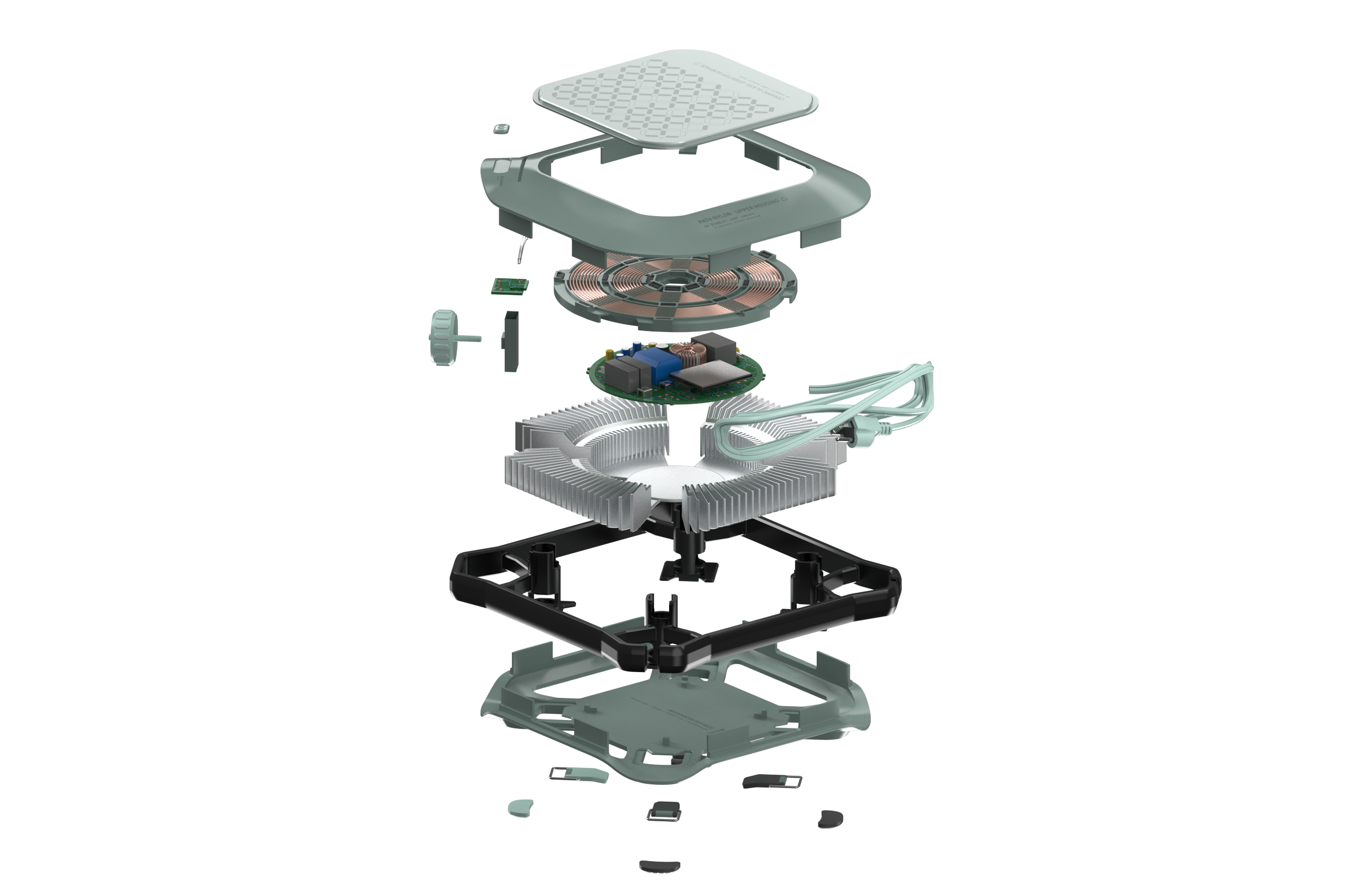
The project moved through iterative sketching, system architecture development, and brand alignment with Stanley’s design language. CAD, teardown analysis, and material/process research were used to understand internal components, manufacturing, and environmental impact.
The process emphasized reducing unnecessary complexity, testing modular configurations, and resolving tradeoffs between heat management, power efficiency, and durability. Packaging, product, and system were developed together to support portability, repairability, and lifecycle thinking.
Developed a stronger understanding of consumer electronics systems, including thermal management, power constraints, and internal component architecture. Gained experience designing within real-world constraints of battery capacity, off-grid energy use, and manufacturability.
Strengthened ability to design at a systems level, balancing product, packaging, and lifecycle considerations. Applied principles of modularity, design for disassembly, and lifecycle extension to reduce environmental impact and improve longevity.
Built deeper knowledge of sustainable materials, manufacturing processes, and LCA thinking, identifying key impact areas across materials, packaging, and transport.
Reinforced the role of industrial design in simplifying products, removing excess, and creating durable tools that shift user behavior toward long-term, sustainable use.