
Graduates

Jess Hylek

MFA in Graphic Design - 2 Yr Path — Graduate Graphic Design
Course:
Grad Studio 4
Faculty:
Caro Trigo
Term:
2025 Spring

Art DeCoded

The Brief: Design a business and its branding from scratch. Design its content, purpose, value, visual language, and touch points. Conceive, develop, and execute a business strategy and branding (visual language) appropriate to your business goals.

The Project: Wikipedia and Reddit meet CarFax for the art world: Art DeCoded is a conceptual non-profit organization and online community hub, reimagining our relationship with art as open source, multi-perspective, and participatory. Market research and user interviews revealed that museum goers feel disconnected from the traditional gallery experience. The gallery feels insular and exclusive. Narratives feel fixed and lacking vital context. Art DeCoded responds with a web platform where art lovers can scan artworks for open-source context, contribute to community forums, track museum acquisitions, and follow repatriation efforts, decoding art by adding their own voice to institutional narratives.  

The brand strategy uses the tension between blur and clarity, shadow and light, as a visual metaphor for the shift from institutional exclusivity to participatory openness. The identity acts as a kind of gallery itself: sleek, minimalist typography with a black and white palette ensures the artwork on display remains the focal point. The visual system frames without competing. From museum walls to street posters to the UI, the identity stretches across mediums without overpowering the art, keeping the work at the center of the brand.

Process:

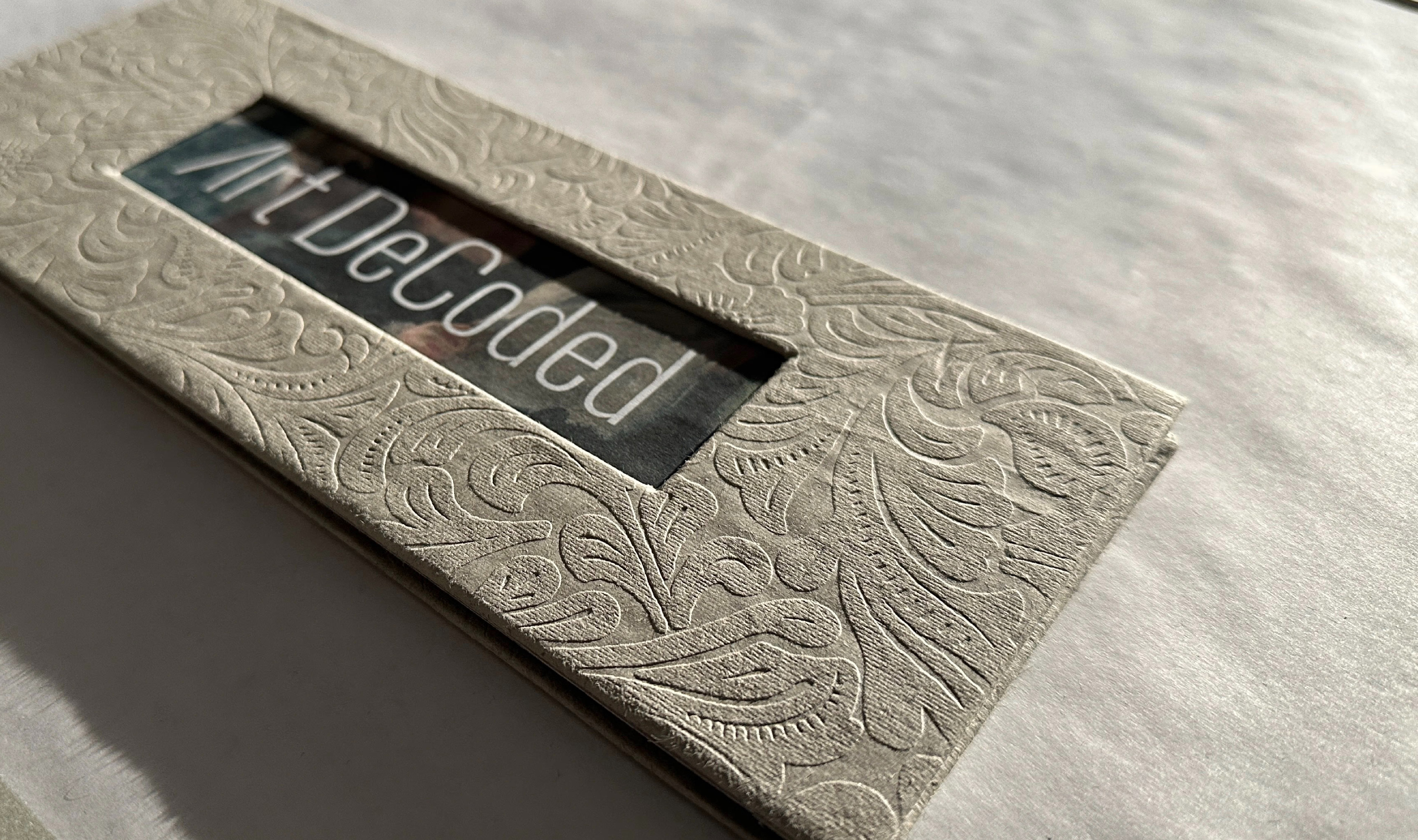
Conducted user research and competitive analysis to surface pain points with traditional gallery experiences. Translated findings into brand strategy and visual system. Designed the web platform UI and PR campaign materials including street posters and accordion book takeaways. Concepted launch exhibition and generated motion videos using AI tools to demonstrate the experience.

Learning Outcomes:

I learned how to ground a brand strategy in market analysis and research, using what I found in interviews to define not just the visual direction, but the brand's conceptual core. I developed skills in building a flexible, multi-platform identity system that scales across various applications: web, street campaigns, print, museum installations. This project deepened my understanding of how a brand can carry a social mission and use visual strategy to reinforce core brand attributes. I also gained experience designing for interaction as meaning: the elements that blur when idle and sharpen on engagement became a core expression of the brand's philosophy, teaching me that motion and behavior are as much a part of identity design as visual form. 

Tags:
App Design,
Branding,
Identity Design,
Research-Based Design,
Web Design
Image
The stark black and white palette stays out of the way, framing the artwork as the focal point of the brand experience.
Image
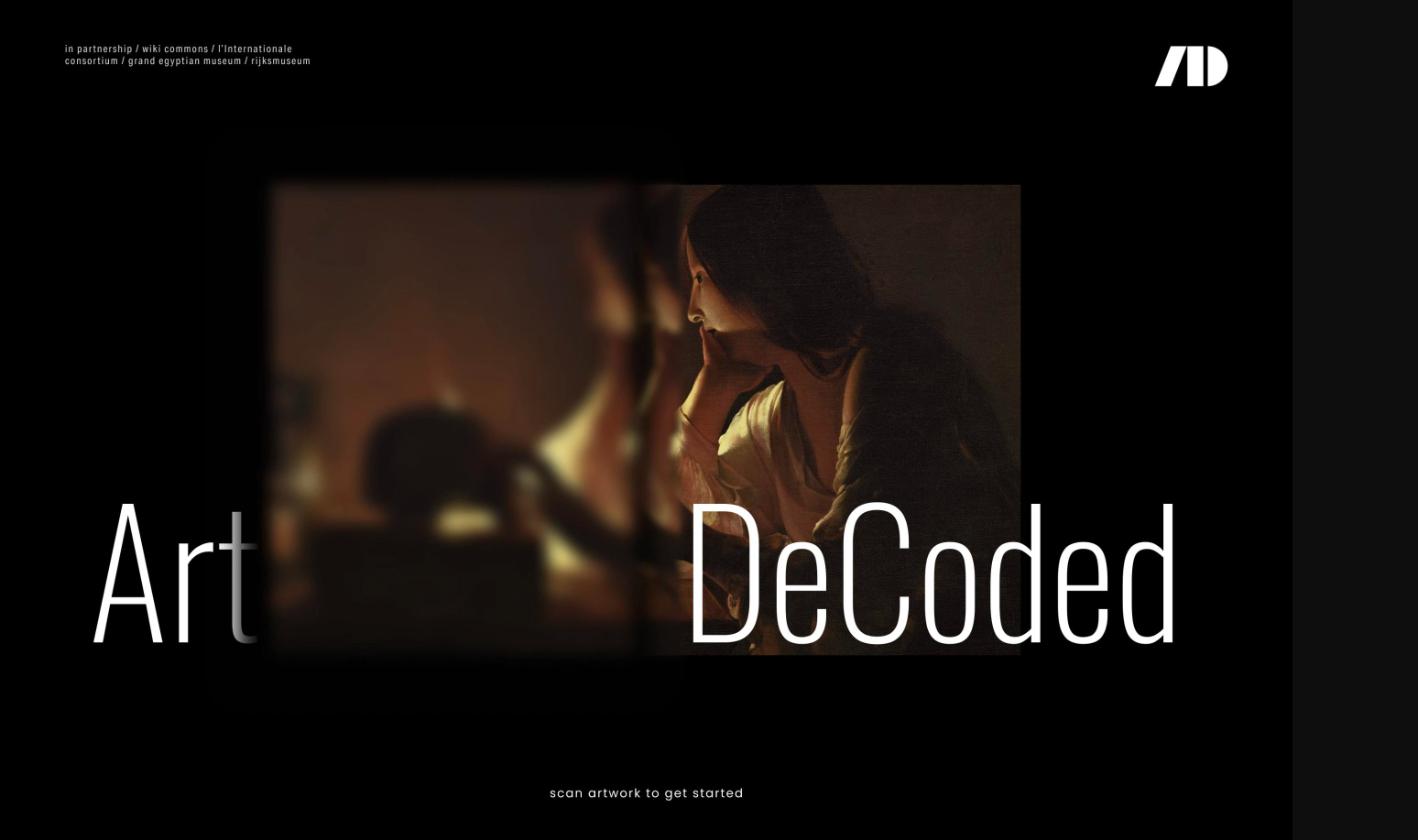
The brand strategy uses the tension between blur and clarity as a visual metaphor for the shift from institutional exclusivity to participatory openness.
Image
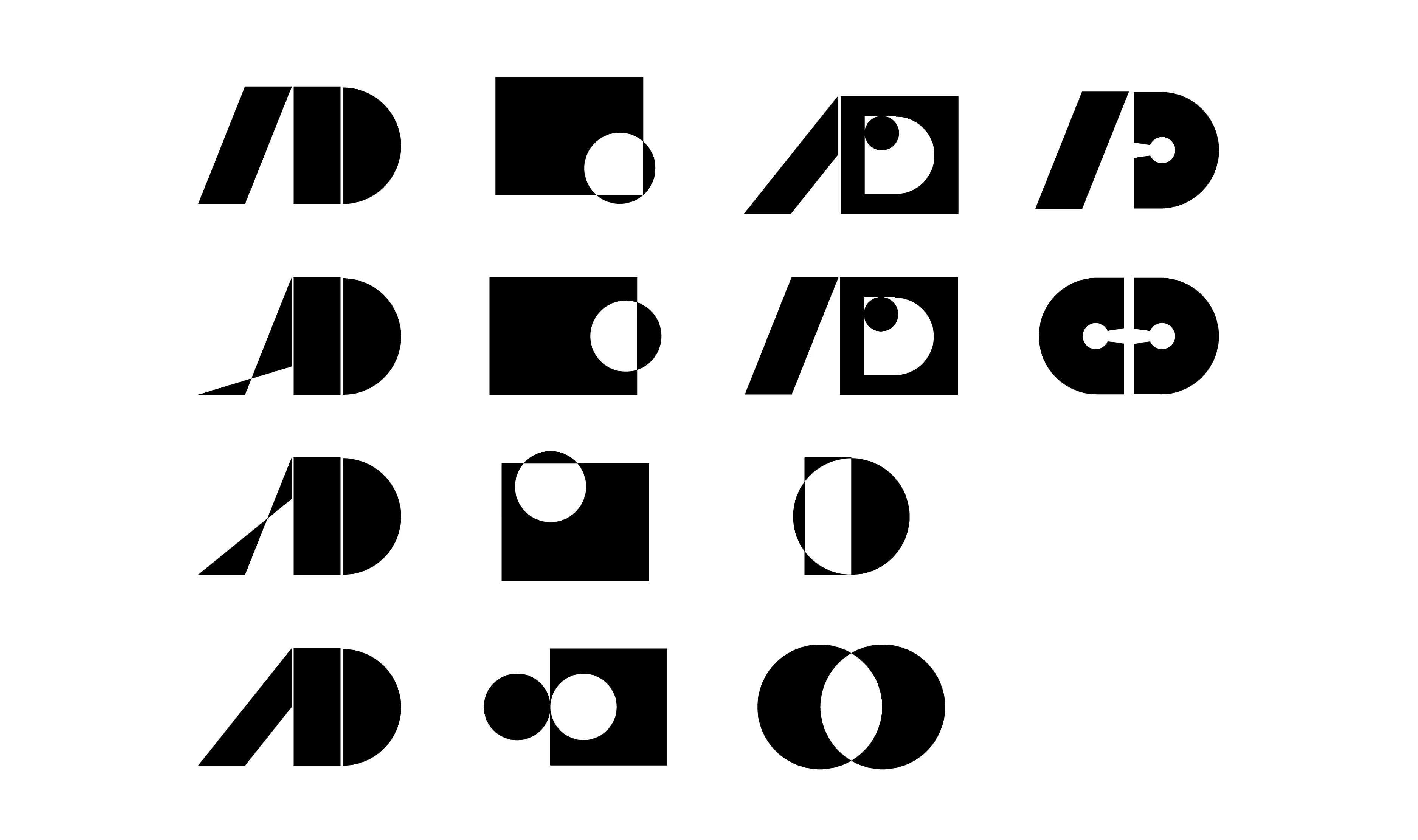
Ideating interaction: logo ideation sheet exploring the geometry of the A/D letterforms alongside abstracted graphics inspired by seeking.
Image
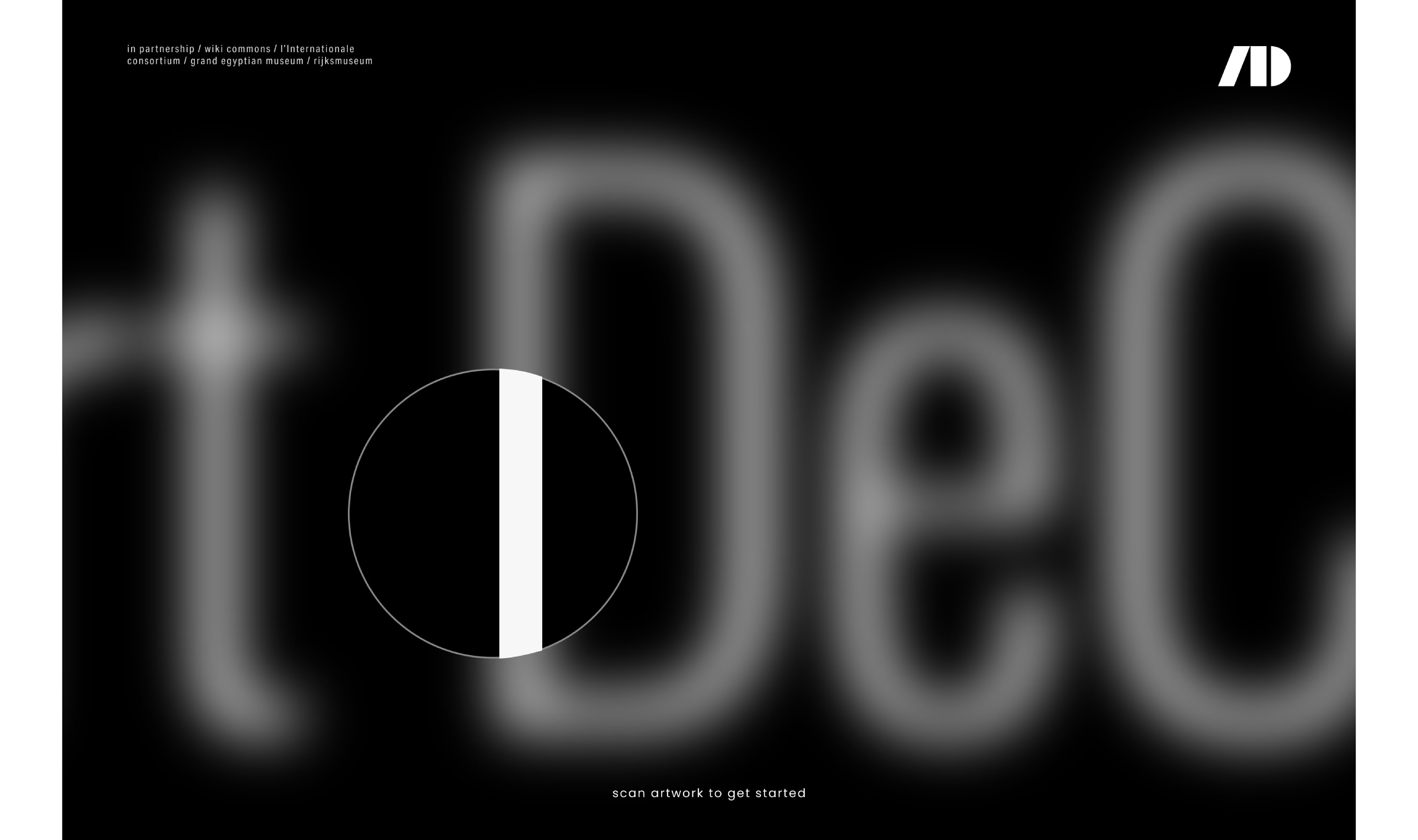
Letterforms blur when idle and sharpen with interaction to reinforce the brand's core concept: art comes alive through active engagement.
Image
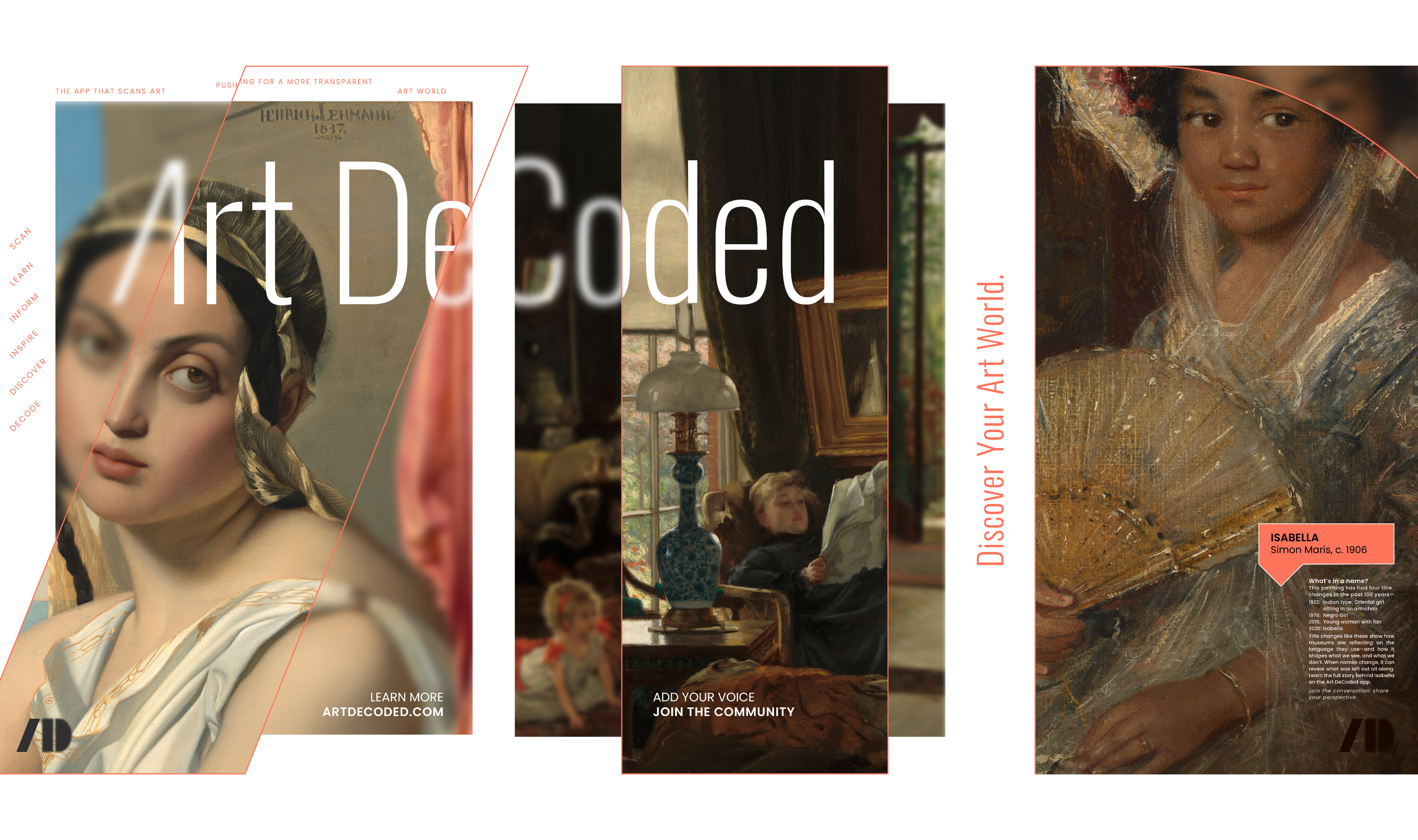
Image
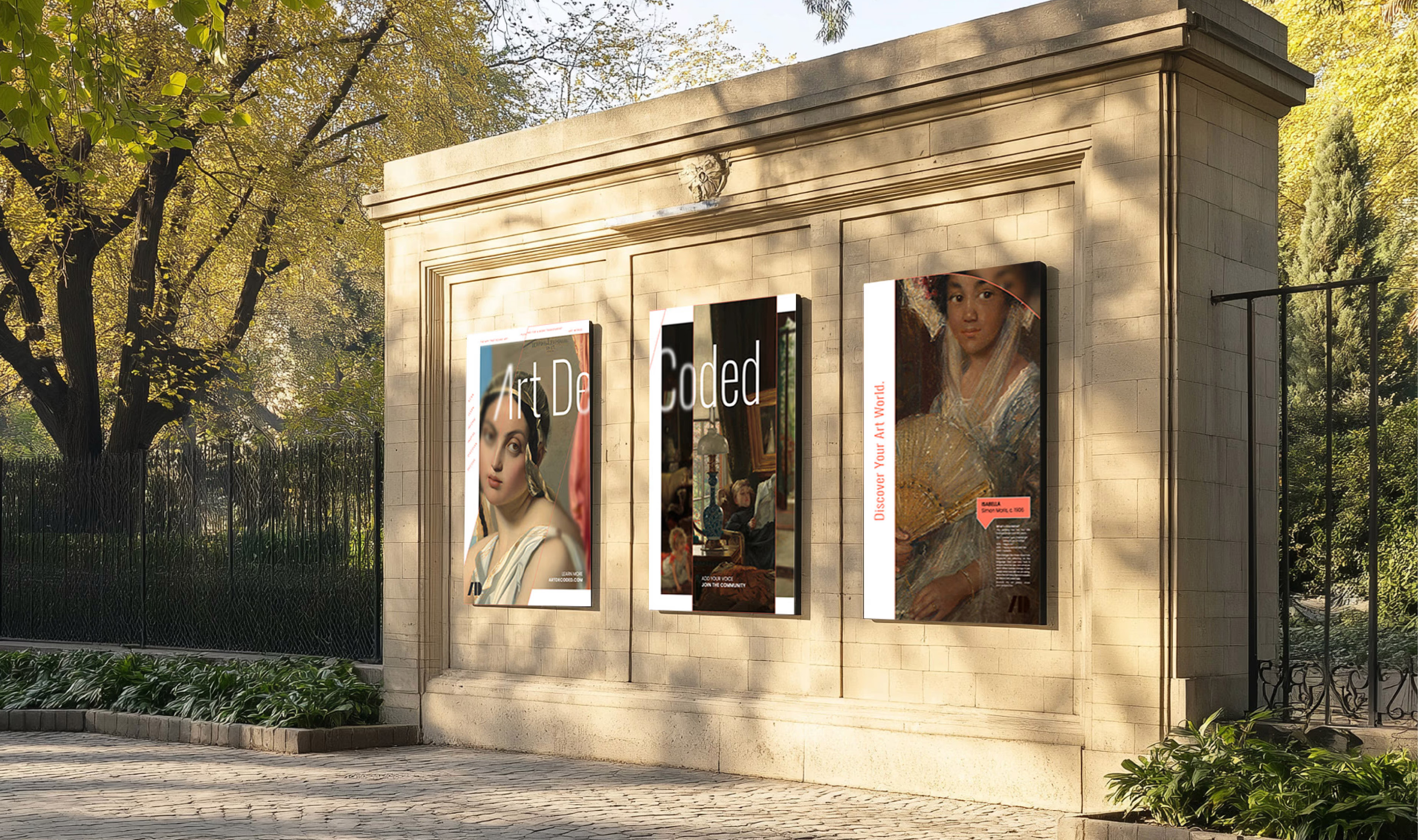
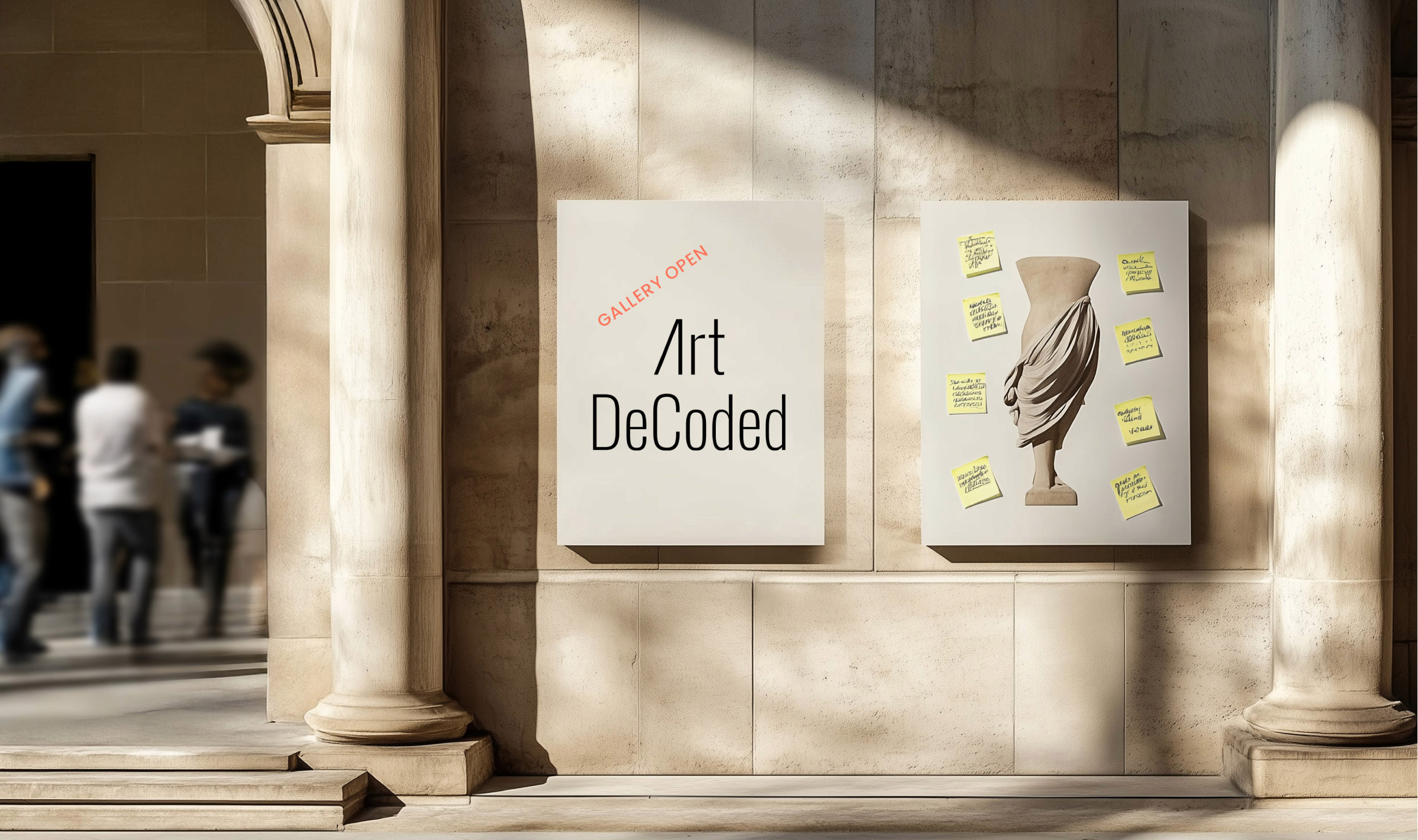
Beyond the gallery wall: promotional posters feature artwork with educational context, turning city streets into open-air classrooms.
Image
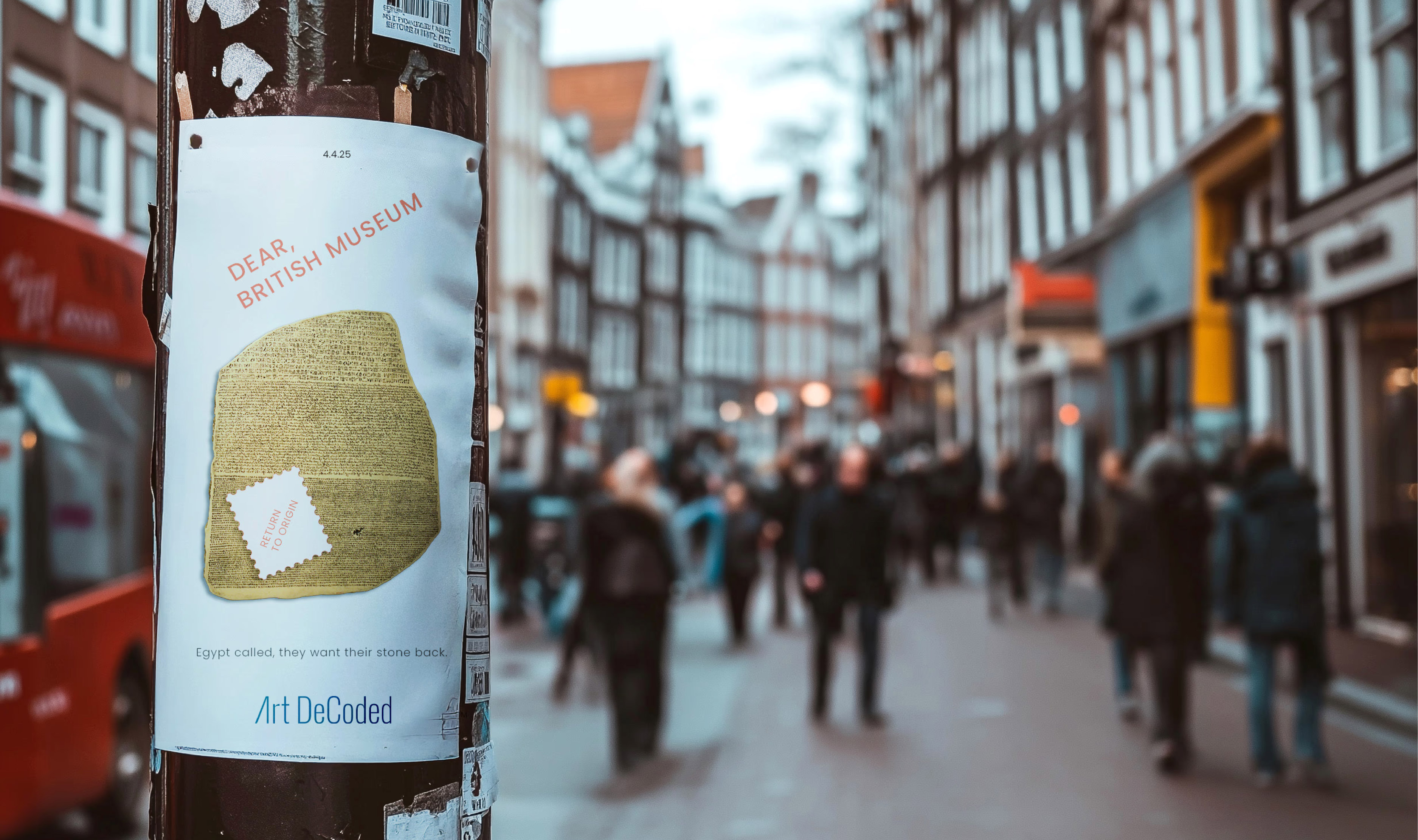
Dear, Return to Origin: a guerrilla PR campaign features posters like the one above with the Rosetta Stone and a "Return to Origin" stamp, sparking conversation around repatriation efforts in the art world.
Image
Image
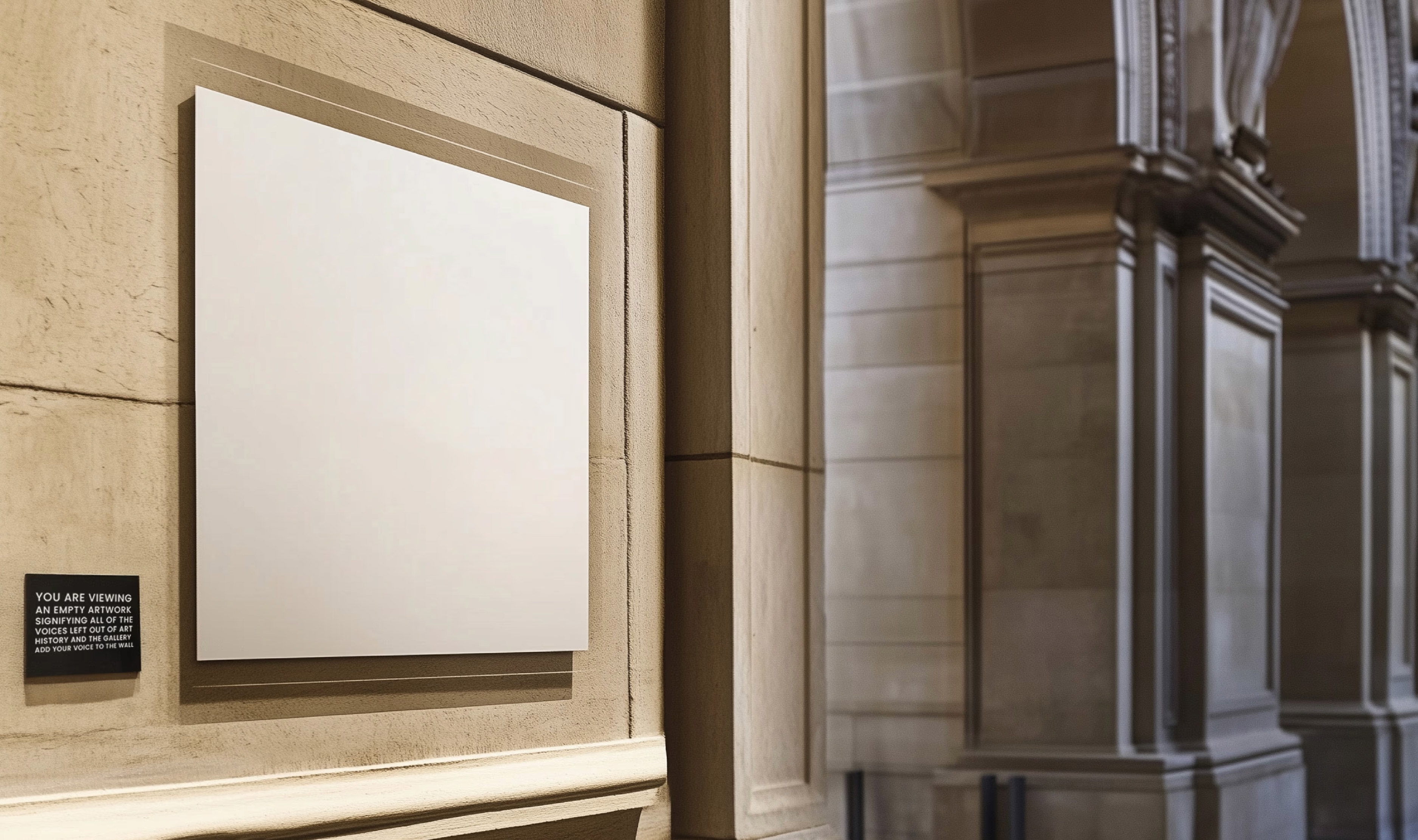
Gallery activations: visitors walk into an empty gallery where absence is on display—signifying all of the voices left out of traditional art narratives.
Image
Video file